
Winters in Pennsylvania are no joke, especially when it comes to your car. Between freezing temperatures, snowstorms, and icy roads, local municipalities use tons of road salt to keep drivers safe. But while salt helps reduce accidents on the road, it can quietly wreak havoc on your vehicle over time. From corroded brake lines to rusted undercarriages, road salt car damage in Pennsylvania is a serious issue for vehicle owners in Allentown and beyond.
In this guide, we’ll break down how salt damages your car, which areas are most vulnerable, and, most importantly, what you can do to protect your vehicle during the harsh Pennsylvania winter.
Why Does Road Salt Cause Rust on Cars?

It all comes down to chemistry. Road salt (typically sodium chloride) lowers the freezing point of water, which helps melt snow and ice. But when that salty water splashes onto your car and sits on metal surfaces, it accelerates the oxidation process, commonly known as rust.
Salt attracts and holds onto moisture, creating the perfect environment for corrosion. Once rust starts, it spreads quickly, especially on bare metal surfaces. This makes vehicle corrosion in winter not just common, but predictable, unless you take preventative action.
Which Parts of Your Car Are Most Affected by Road Salt?
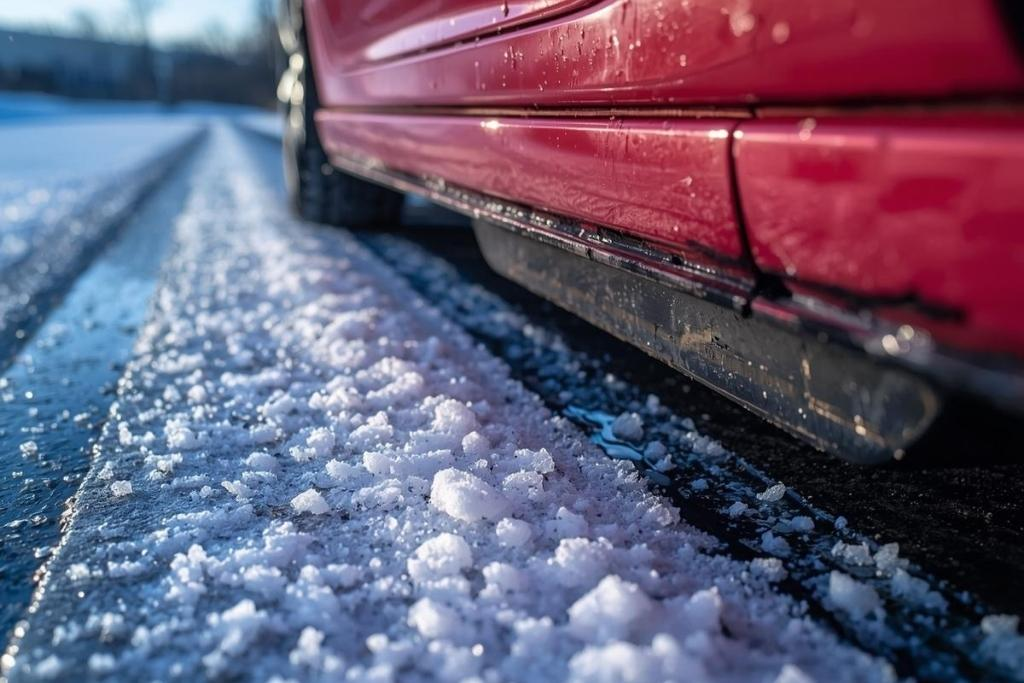
Road salt doesn’t discriminate, it targets any exposed or vulnerable areas on your vehicle. However, some components suffer more than others:
1. Undercarriage and Frame
Your car’s undercarriage is constantly exposed to salty road spray. This includes:
- Frame
- Suspension
- Exhaust system
- Fuel tank
Over time, salt can eat away at these parts, weakening your vehicle’s structural integrity. Learn more about how protection like paint protection film installation can add a defensive layer against these conditions.
2. Brake and Fuel Lines
Brake and fuel lines are often made of metal and run along the underbody. Corrosion here isn’t just costly, it’s dangerous. Salt damage to brake lines can lead to brake failure, while corroded fuel lines can cause leaks and reduce engine performance.
3. Wheel Wells and Lower Body Panels
Areas like wheel wells, rocker panels, and door edges collect salt-laden slush. These sections are especially vulnerable to oxidation of car metal parts, leading to bubbling paint and visible rust spots.
4. Paint Surface and Clear Coat
Salt can chip away at your paint, especially if it’s already compromised by dings or scratches. Without a protective barrier, the exposed metal underneath begins to corrode, impacting your car’s appearance and resale value.
How to Prevent Road Salt Car Damage in Pennsylvania
While you can’t avoid road salt entirely, you can reduce its impact with smart prevention strategies.
1. Wash Your Car Regularly
One of the most effective and simple defenses? Regular winter car washes, especially those with undercarriage sprays. Aim to wash your car every 1–2 weeks during the season, or more often after storms. This helps remove buildup and reduce corrosion risk.
Tip: Use touchless washes or professional detailing services that offer car wash undercarriage winter treatments.
2. Apply Protective Coatings Before Winter
Applying a protective coating like wax, sealant, or ceramic coating adds a physical barrier against salt. These layers prevent direct contact with your car’s paint and metal.
If you’re considering long-term protection, we recommend checking out our guide on how paint protection film shields your vehicle in harsh winter weather.
3. Consider Rust Inhibitors and Undercarriage Protection
Professional rust-proofing treatments can coat the underside of your car with oil-based sprays or rubberized coatings. These help repel moisture and prevent undercarriage rust from road salt.
Bonus: For best results, apply rust inhibitors before the first snowfall.
4. Repair Paint Chips and Scratches
Don’t wait until spring, address paint damage in the fall. A tiny scratch can expose bare metal to salt and moisture, becoming a breeding ground for corrosion.
Need help? Schedule a touch-up or detailing appointment with Prestige Auto Appearance to prepare your vehicle before the next snowstorm hits.
5. Drive Smart in Winter Conditions
- Avoid driving immediately after salt trucks have passed.
- Steer clear of deep slush, where salt concentrations are highest.
- Park in dry, ventilated garages when possible (humid garages can accelerate corrosion).
Are Rust Inhibitors Effective for Winter Car Care?
Yes, rust inhibitors can significantly reduce salt-related corrosion. But their effectiveness depends on:
- Timing (apply before exposure)
- Type (oil-based inhibitors are often best for older vehicles)
- Application quality (professional service ensures full coverage)
Combining inhibitors with paint protection film (PPF) can offer all-season protection for both the visible paint and the hidden underside.
Not sure which solution is right for you? Compare options in our blog: Should I Get Paint Protection Film for My Car Immediately?
What to Do After Winter Ends
Once winter subsides, take the following steps to recover from months of salt exposure:
- Book a professional undercarriage cleaning
- Inspect wheel wells, brake lines, and exhaust for rust
- Touch up paint chips or scratches
- Apply a fresh coat of wax or ceramic protection
Spring detailing can help prevent any minor damage from becoming major. You can contact our team for a custom post-winter care package.
Final Thoughts: Protect Your Car with Prestige Auto Appearance
Road salt car damage in Pennsylvania is real, but it doesn’t have to be inevitable. With the right protection, routine maintenance, and expert help, you can keep your car looking and performing its best throughout the winter months.
At Prestige Auto Appearance, we’ve spent over 20 years helping Allentown drivers fight back against winter corrosion with industry-leading paint protection film, ceramic coatings, and full detailing services. Whether you’re looking for rust prevention or want to restore your car’s shine come spring, we’re here to help.
Schedule your winter protection service today at Prestige Auto Appearance, or contact us directly for expert recommendations tailored to your vehicle.
FAQs
Why does road salt cause rust on cars?
Road salt accelerates oxidation by attracting moisture and reacting with metal surfaces, leading to corrosion.
What parts of my car are most affected by road salt?
The undercarriage, brake lines, fuel lines, wheel wells, and lower panels are most vulnerable to salt damage.
How often should I wash my car in winter to prevent salt damage?
Wash every 1–2 weeks during winter, especially after snowstorms or driving on heavily salted roads.
Are rust inhibitors effective for winter car care?
Absolutely, especially when professionally applied before winter. They create a protective barrier against salt and moisture.