

Paint Protection Film (PPF) is one of the most misunderstood yet powerful tools for preserving your car’s finish especially if you’re navigating the salt-stained roads, icy winters, and stone-speckled highways of Pennsylvania. Yet, despite its growing popularity, many myths persist and misinformation has clouded the decision to invest in this high-tech solution.
In this guide, we’ll debunk common PPF myths, clarify the facts, and help you decide whether paint protection film is right for your vehicle. Whether you’re driving a daily commuter, a cherished classic, or a brand-new pickup, understanding the truth about PPF can save you money, stress, and trips to the body shop.
What Is Paint Protection Film (PPF) and Why It Matters in Pennsylvania
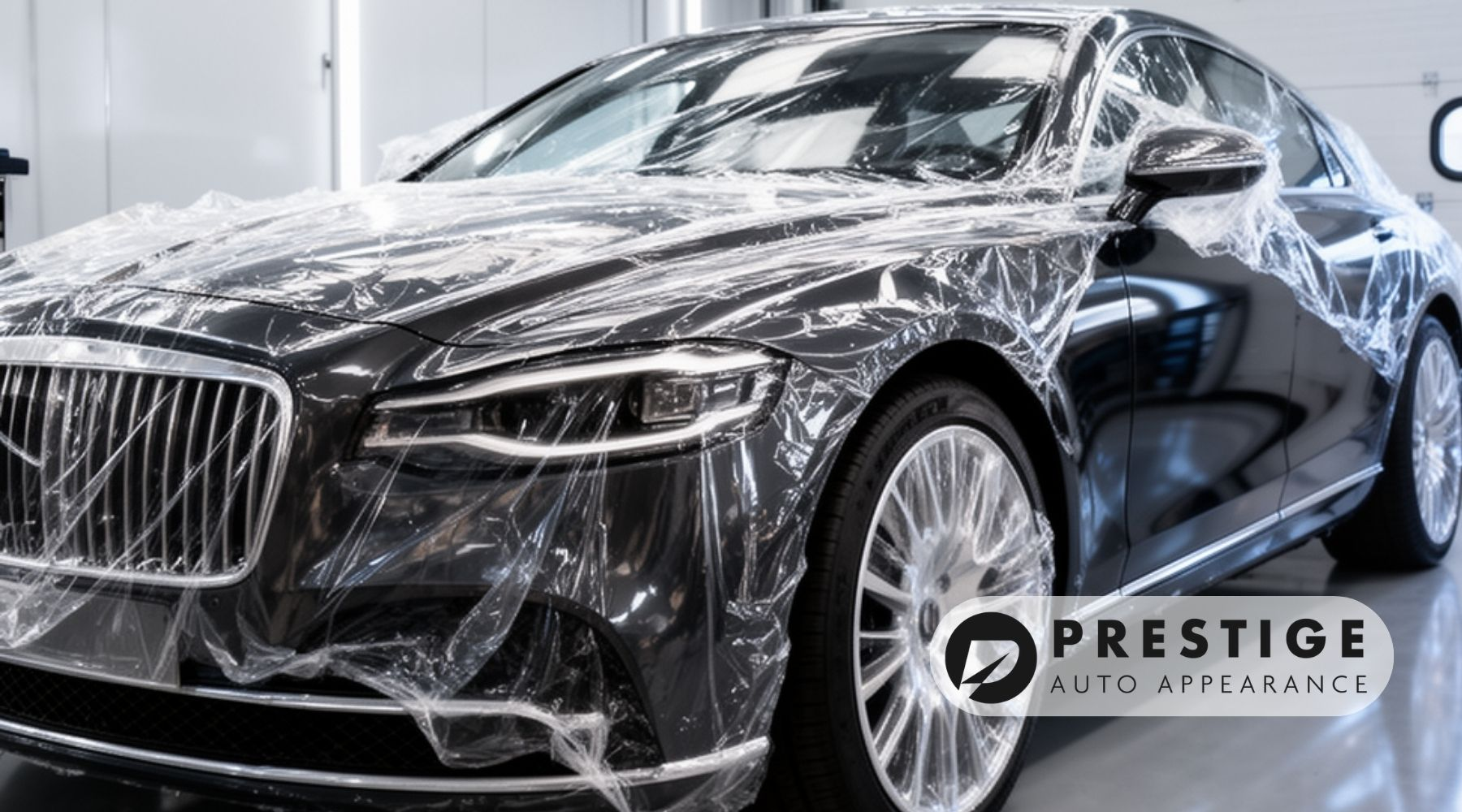
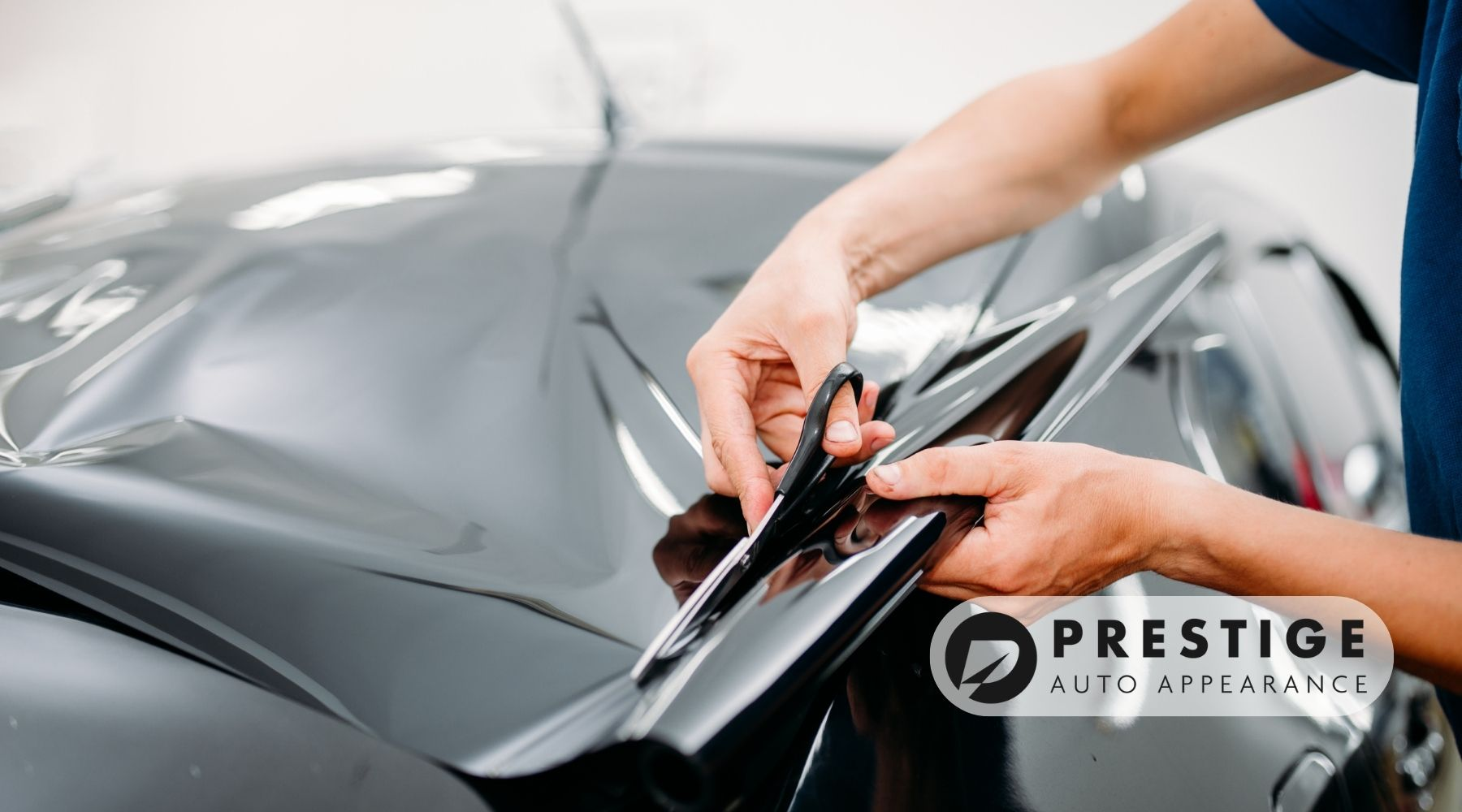
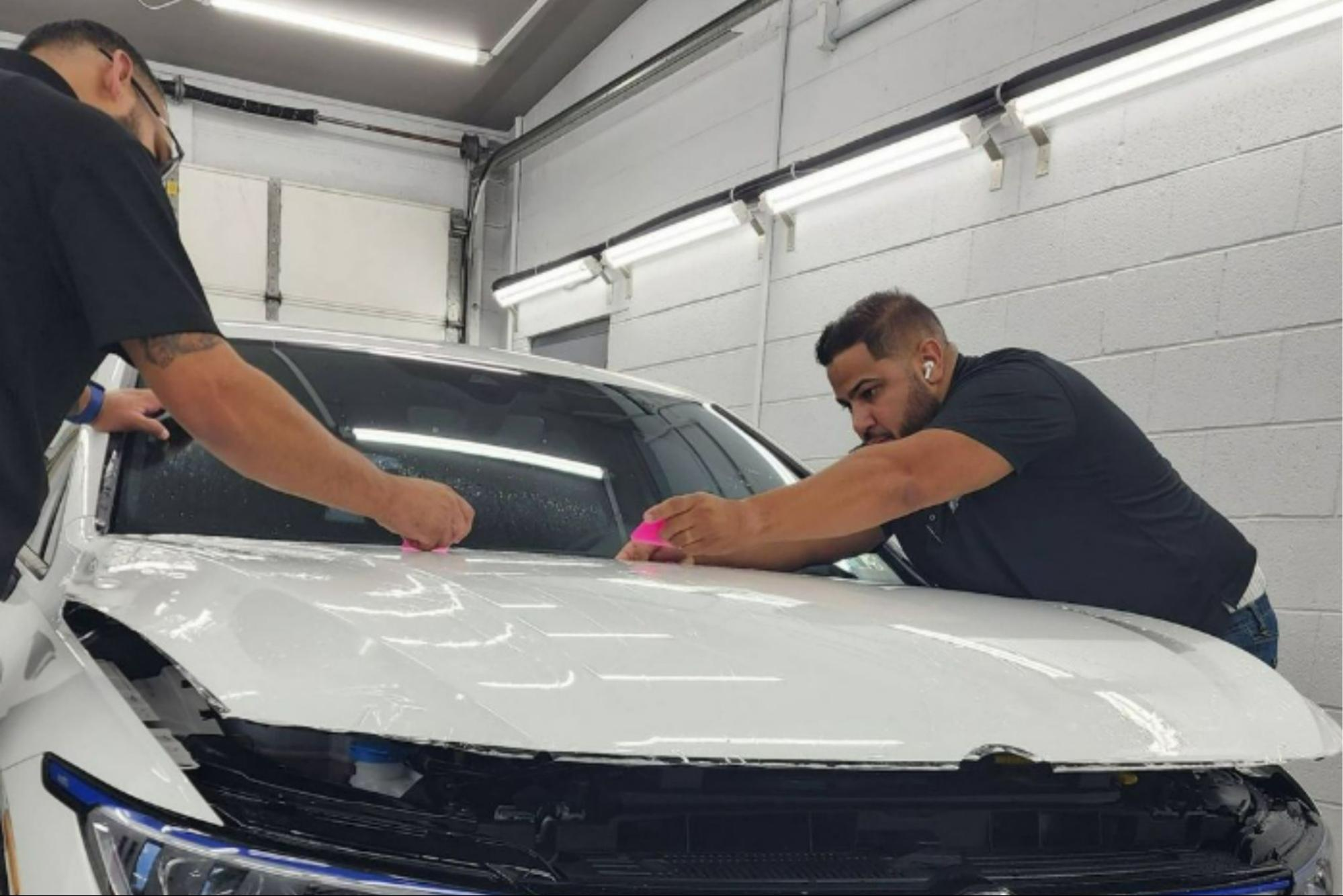
Paint Protection Film, also known as clear bra or automotive film protection, is a thin, durable urethane layer applied to your car’s exterior to defend against road debris, chips, salt, and scratches. Unlike waxes or ceramic coatings, PPF is a physical barrier with self-healing properties, UV protection, and long-term paint preservation benefits.
Pennsylvania Driving Conditions Demand Better Paint Protection
From icy turnpikes to rural gravel roads, Pennsylvania presents unique threats to your vehicle’s finish. Seasonal salt treatments, freeze-thaw cycles, and UV exposure from long summer days all accelerate paint wear. PPF acts as a shield against these hazards, extending your paint’s life and maintaining your vehicle’s appearance in Allentown’s varied climate.
Debunking the Most Common PPF Myths
Let’s set the record straight on the most widespread PPF misconceptions.
Myth #1: PPF is Only for Luxury or Exotic Cars
Reality: Every Vehicle in Pennsylvania Benefits from PPF
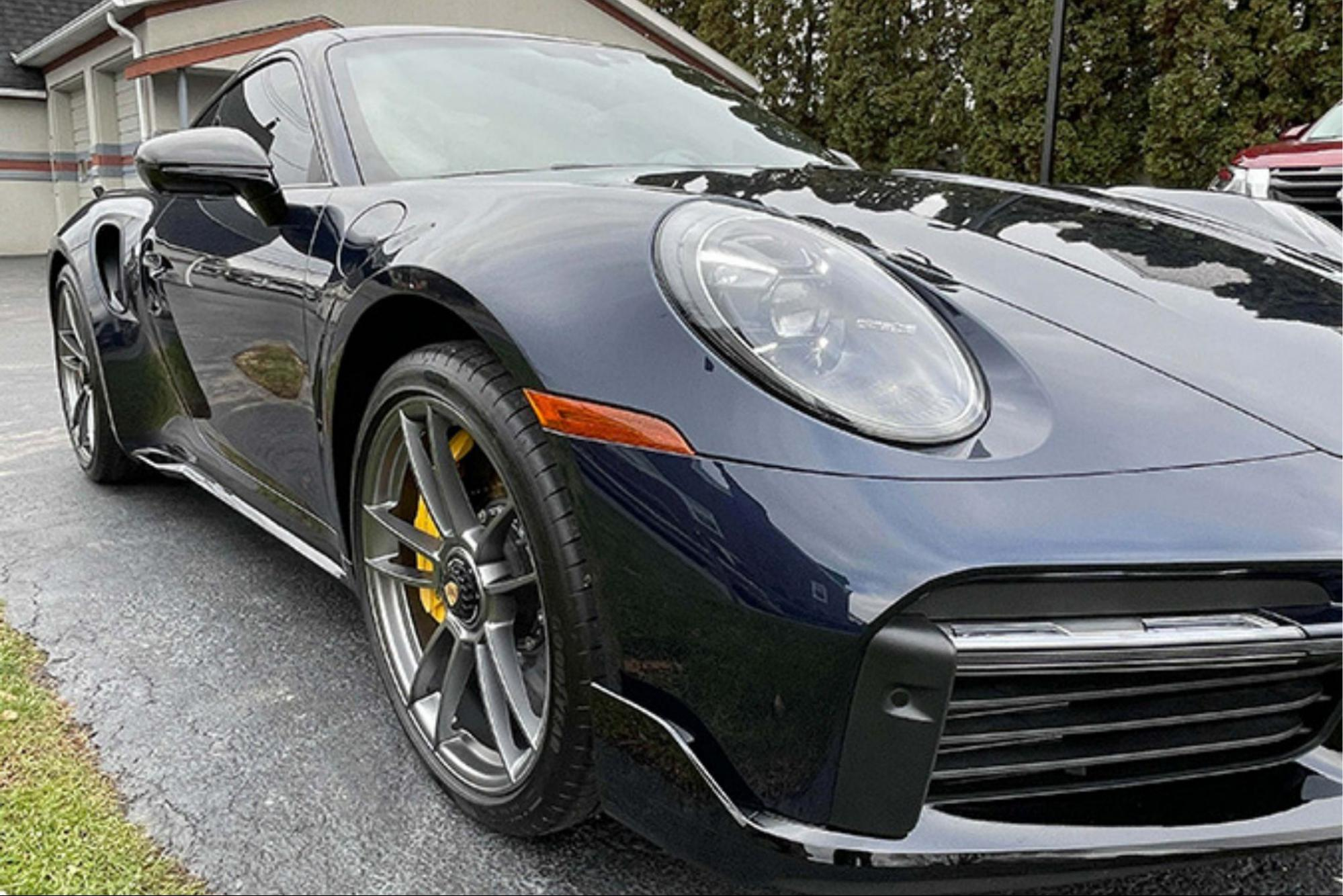
There’s a widespread PPF misconception that it’s only worth it for high-end vehicles. While it’s true many luxury car owners invest in PPF, protection shouldn’t be a privilege, it’s a practical safeguard for any car, truck, or SUV.
In Pennsylvania, your daily driver faces harsh winters, road salt, loose gravel, and frequent construction debris. PPF acts like an invisible shield, preventing permanent damage from these hazards.
👉 Learn more about why paint protection film is essential for your car in Pennsylvania.
Myth #2: PPF Yellows or Cracks Over Time
Reality: Modern PPF Is UV-Stable and Built to Last
One of the most common paint protection film myths is discoloration. This was true 20 years ago. Older PVC-based films lacked UV inhibitors and often yellowed with sun exposure.
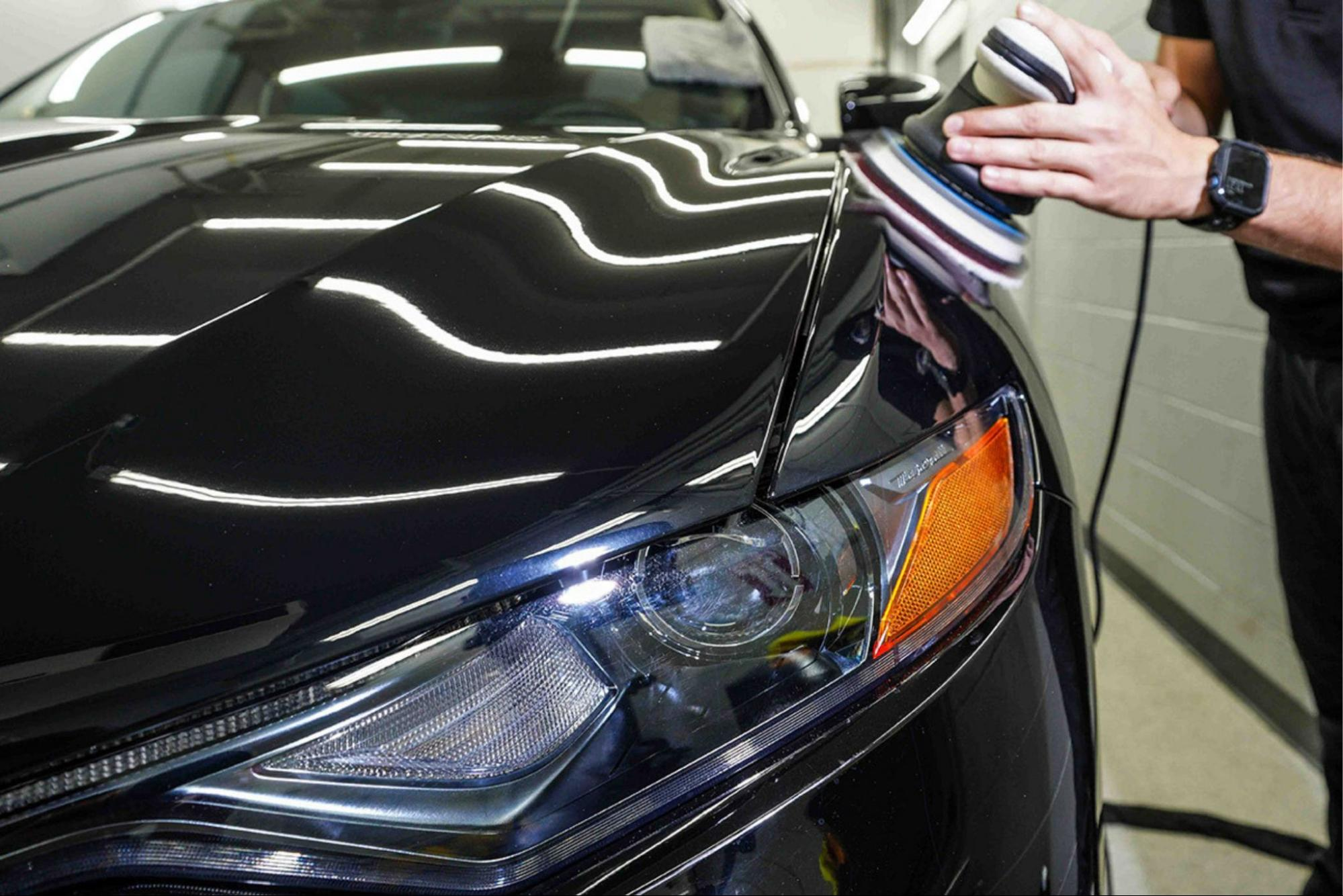
Today’s PPF uses advanced thermoplastic urethane (TPU), with UV-blocking properties and self-healing topcoats. At Prestige Auto Appearance, we install films that remain crystal clear, resisting discoloration for years especially with proper care.
Myth #3: PPF Damages Your Paint
Reality: PPF Preserves Paint, Not Hurts It
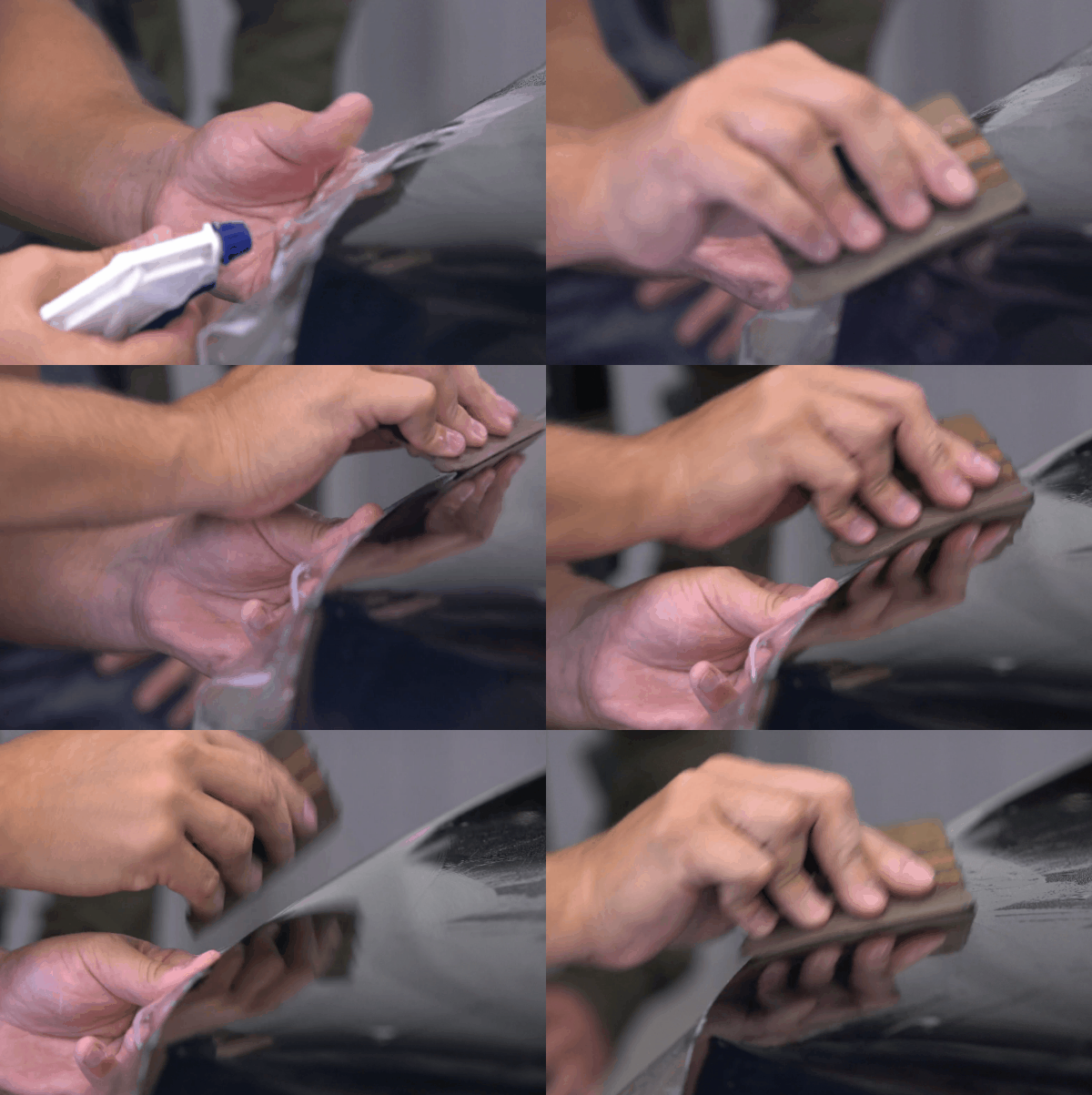
Another PPF misconception is that the adhesive damages your car’s finish. The truth? Professional-grade films use safe, acrylic adhesives designed for secure but reversible bonding.
When applied (and removed) correctly by certified technicians, PPF protects your factory paint. It won’t peel paint or leave residue behind unless applied incorrectly by amateurs.
Learn how PPF also protects against physical damage in our guide: PPF vs. Road Debris: Protecting Your Car on Pennsylvania’s Highways.
Myth #4: PPF Ruins Your Car’s Aesthetics
Reality: It’s Practically Invisible
Some car owners worry PPF will make their vehicle look worse. But when installed correctly, PPF is virtually undetectable. There’s no haziness, no bubbling, just a glossy, polished look that enhances your paint.
High-end PPF can even enhance depth and gloss, giving your vehicle a “just detailed” look every day. Poor aesthetics only come from poor installation, something Prestige Auto Appearance avoids with our decades of expertise.
Myth #5: PPF Is Hard to Maintain
Reality: It’s Easier Than You Think
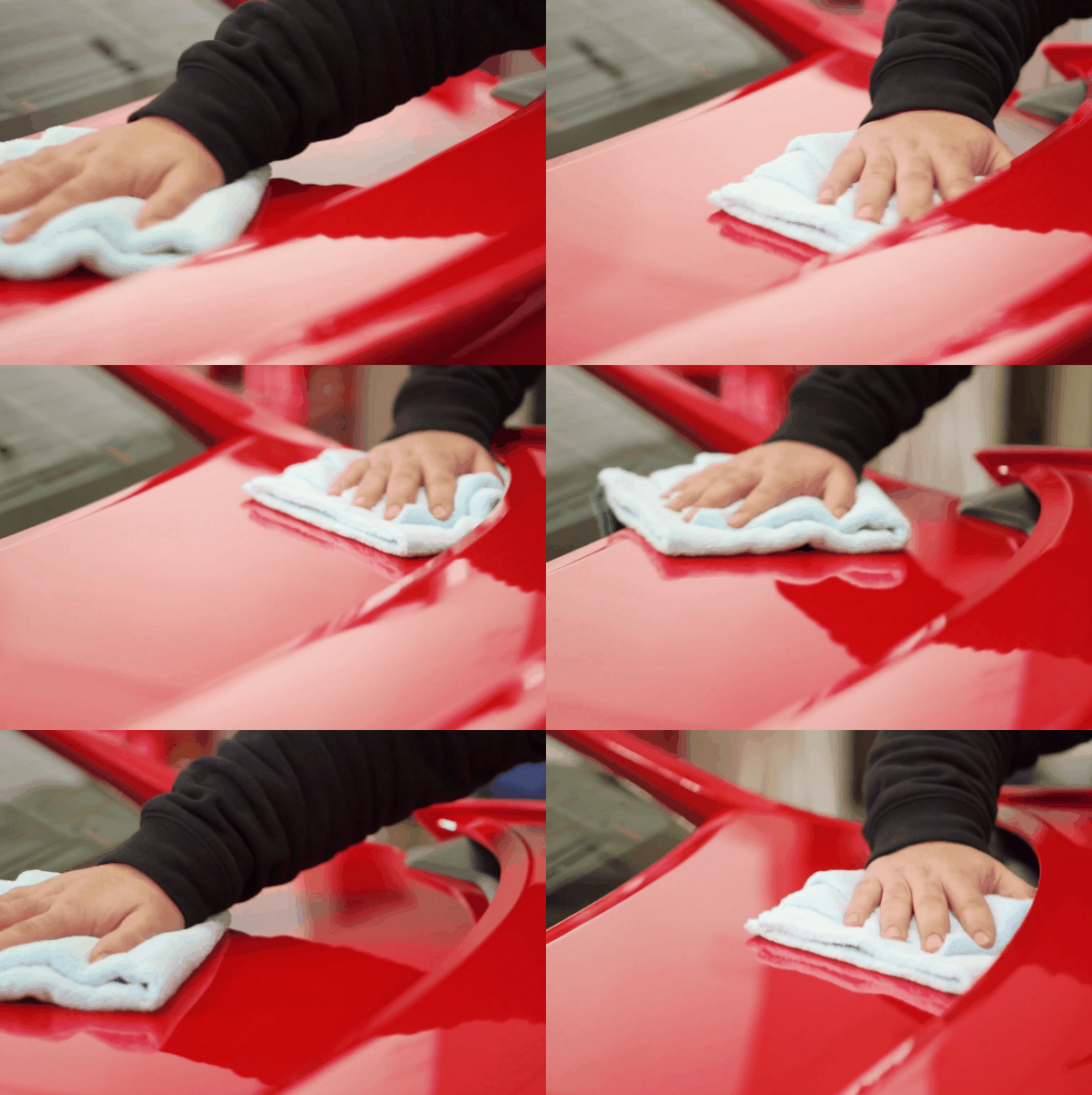
Maintenance myths are common, especially in the colder Northeast. Here’s the truth: PPF is low-maintenance. A simple wash with pH-neutral soap and a microfiber towel is all you need.
Many films we install are hydrophobic, meaning water, dirt, and contaminants bead up and rinse off easily. No special waxes, no complicated routines, just regular handwashing.
For Pennsylvania’s snowy winters, check out our post on maintaining your PPF in harsh weather.
Myth #6: PPF Needs Frequent Waxing or Coating
Reality: Most Modern Films Don’t Require It
Some think PPF needs additional wax or ceramic coating. In truth, most premium PPFs come with a built-in top coat that repels dirt and water. That said, some clients choose to add ceramic coating over PPF for enhanced gloss or chemical resistance.
At Prestige, we even offer hybrid packages like the Ultimate Armor, which combines both technologies for unbeatable protection.
Myth #7: PPF Can’t Be Removed Without Damage
Reality: Professional Removal Is Clean and Safe
Worried about future resale or changing protection styles? No problem. High-quality PPF is engineered to be safely removed without harming your car’s paint when done professionally.
DIY removals, heat guns, or sharp tools can cause damage. But at Prestige Auto Appearance, we use proper removal techniques to protect both paint and panels.
Myth #8: PPF Voids My Warranty
Reality: It Doesn’t, When Installed Properly
Automakers do not void warranties over paint protection film. In fact, PPF is a non-invasive, exterior enhancement that doesn’t alter the car’s electronics or performance systems.
To be safe, ensure your installer is reputable and follows OEM-safe practices, just like we do at Prestige
Myth #9: Self-Healing Is a Gimmick
Reality: It Really Works, Within Limits
Self-healing technology is real. Under heat (from sun or warm water), light scratches and swirl marks literally disappear from the top layer of high-end PPF.
It’s not magic, it’s advanced chemistry. While it won’t fix deep gouges, for everyday wear, this feature keeps your finish looking flawless longer.
What to Look for in a Quality PPF & Installer
Key Features of a High-Quality PPF
- Self-healing capabilities
- UV resistance
- Hydrophobic properties
- Crystal-clear optics
Long lifespan (5–10 years)
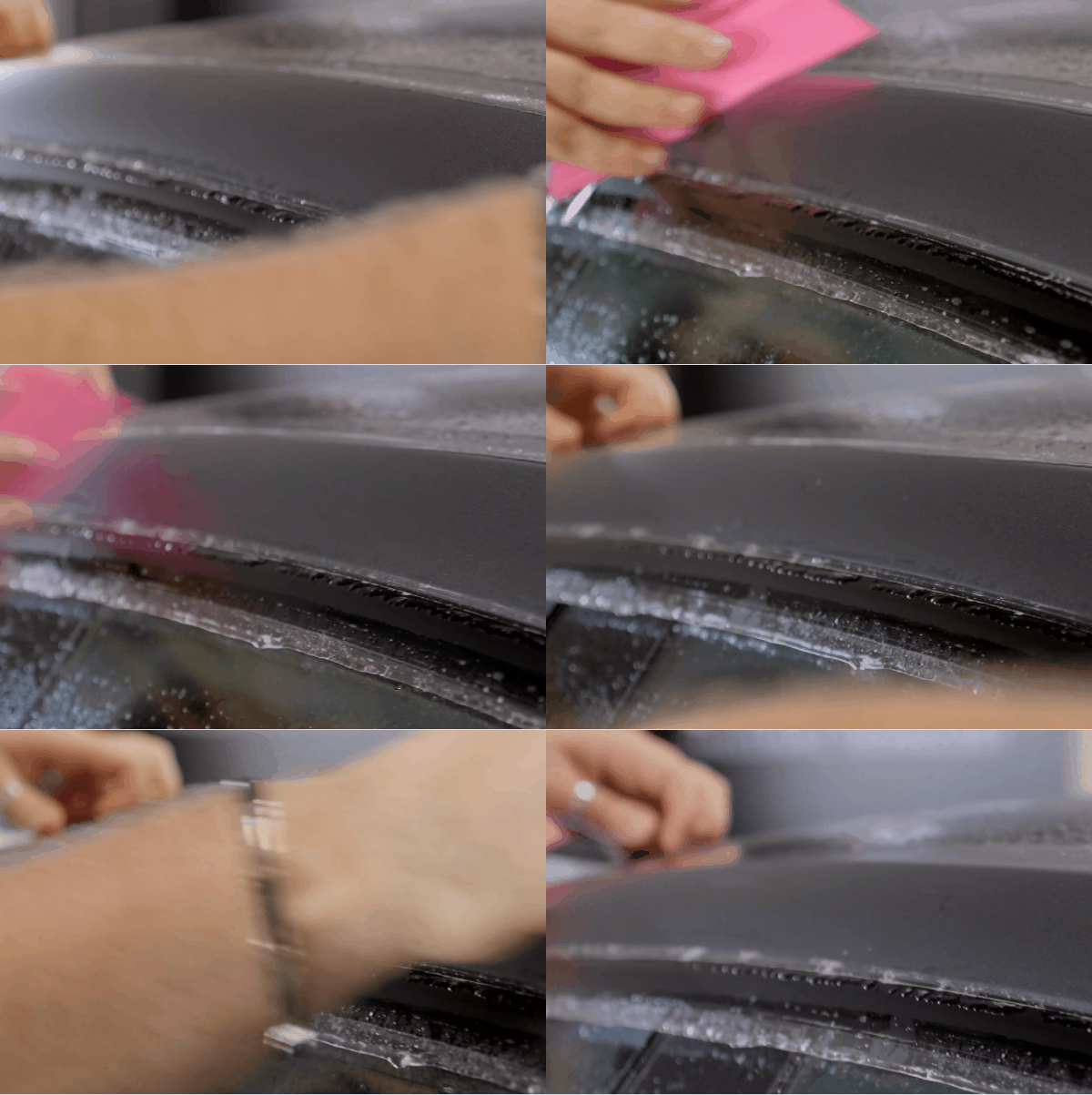
Why Professional Installation Matters
Choosing a trained, experienced installer ensures:
- Proper edge wrapping and seamless appearance
- Bubble-free application
- No damage to your factory paint
- Maximum longevity and performance
Learn more about paint protection film installation at Prestige Auto Appearance
Real Talk: Why PPF Makes Sense in Pennsylvania
Driving in Pennsylvania is no joke. Road salt, gravel from pothole repairs, sun-fade from long commutes, and bugs in summer. Your paint takes a beating.
PPF gives you peace of mind. At Prestige Auto Appearance, we’ve protected thousands of vehicles across the Lehigh Valley. From Teslas and Toyotas to trucks and sports cars, we install only top-tier films backed by warranty and craftsmanship.
Want elite protection? Ask about our Ultimate Armor Package, combining PPF with ceramic coating for unmatched durability and beauty.
Final Thoughts: Don’t Let Myths Steer You Wrong
The truth is clear, PPF myths stem from outdated products, DIY mishaps, and misinformation. With today’s advanced materials and professional installers, paint protection film is a smart, durable, and nearly invisible solution for preserving your vehicle’s finish.
If you drive in Allentown or anywhere in Pennsylvania, don’t leave your car’s paint to chance.
Schedule a free consultation with Prestige Auto Appearance today and experience invisible paint protection that works.
PPF Myths FAQ
Why do some car owners believe PPF damages paint?
Poor removal or DIY applications can cause issues, but professional-grade PPF does not harm paint.
Why is there a misconception that PPF turns yellow?
Outdated films did. Modern versions resist discoloration with UV inhibitors.
Why do people think PPF is only for luxury cars?
Marketing often highlights high-end cars, but PPF benefits any vehicle.
Why is PPF confused with vinyl wraps?
Both are films, but PPF protects; vinyl decorates.
Does self-healing really work?
Yes, for light scratches. Heat triggers the healing process.
Is PPF high maintenance?
Not at all, just gentle washing and basic care.