
If you drive in Allentown or anywhere in the Lehigh Valley, you already know how unpredictable Pennsylvania weather can be. From intense summer sun to heavy winter road brine, your vehicle’s paint is constantly under attack. That’s exactly why ceramic coating protection in Pennsylvania isn’t just an upgrade, it’s a long-term defense strategy.
At Prestige Auto Appearance, we’ve spent over 20 years protecting vehicles from the environmental challenges unique to our region. As Allentown’s award-winning auto detailing studio, we’ve seen firsthand how UV rays, calcium chloride, and road salt impact unprotected paint. Let us walk you through why this happens, and how professional ceramic coating makes a measurable difference.
Why Pennsylvania’s Climate Is So Tough on Vehicle Paint
UV Ray Paint Damage Happens All Year
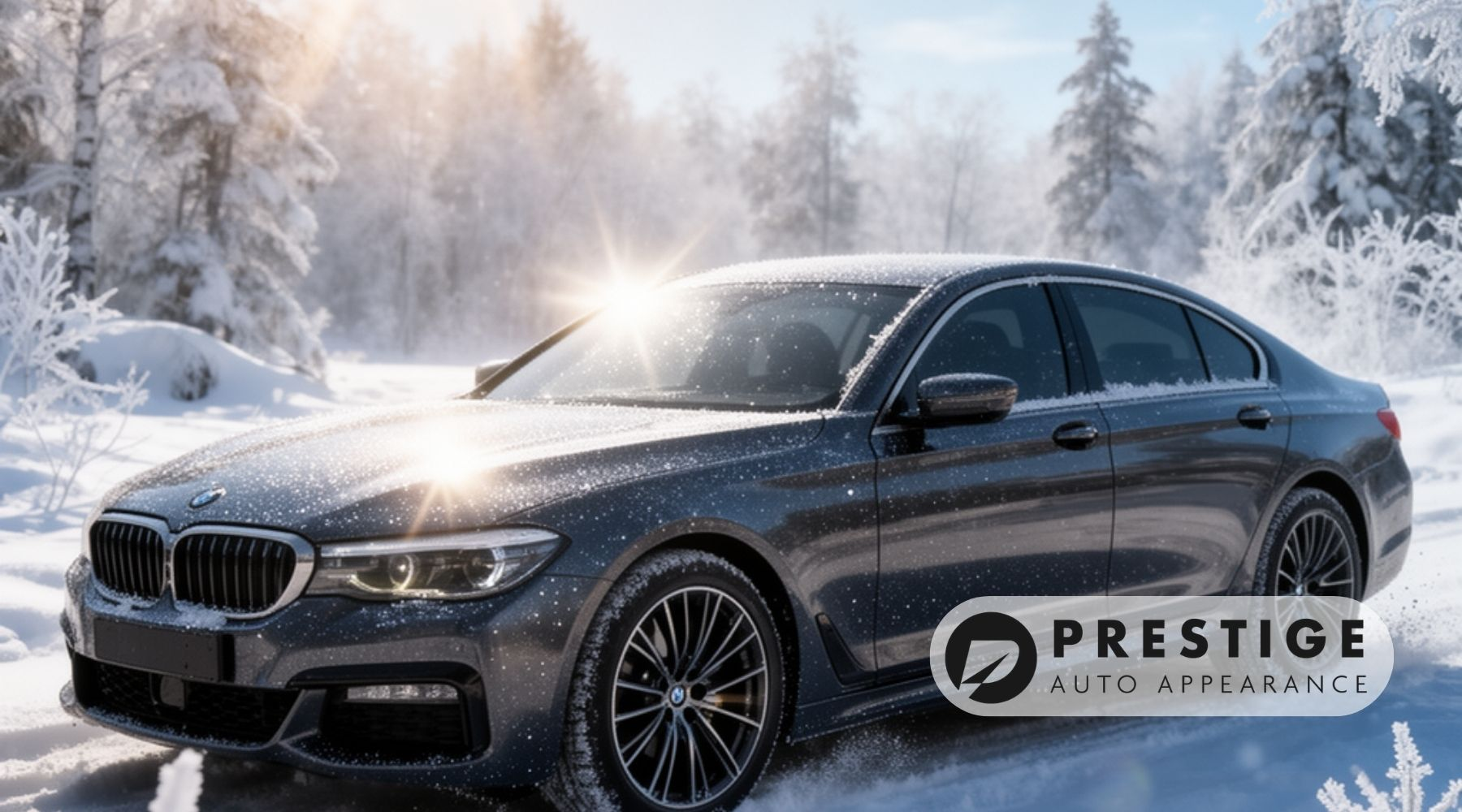
Many drivers assume UV damage is only a summer issue. In reality, ultraviolet rays penetrate cloud cover and even reflect off snow during winter. That means your vehicle’s paint is exposed year-round.
UV ray paint damage gradually weakens your clear coat protection, leading to:
- Paint oxidation
- Fading and discoloration
- Clear coat peeling
- A dull, chalky finish
Pennsylvania’s freeze-thaw cycles make this even worse. Moisture seeps into microscopic paint imperfections, accelerating oxidation. Without proper paint oxidation prevention, long-term damage becomes inevitable.
Winter Road Salt & Chemical Exposure
Winter in Allentown is particularly aggressive on vehicles. Road crews use salt, brine, and calcium chloride to keep roads safe, but these chemicals are highly corrosive to automotive finishes.
Road brine damage to cars happens when salt particles embed into the paint surface. Over time, calcium chloride corrosion can develop beneath the clear coat, causing:
- Chemical etching
- Rust formation
- Surface breakdown
- Permanent paint damage
Without proper winter road salt car protection, this deterioration accelerates season after season.
What Is Ceramic Coating & How Does It Work?

Ceramic coating is a liquid polymer we professionally apply that chemically bonds to your vehicle’s paint using advanced surface bonding technology. Unlike wax, which simply sits on top of the paint, ceramic coating integrates with the clear coat to form a durable chemical resistance coating.
This bonded layer creates enhanced clear coat protection and shields against environmental contaminants on vehicle paint.
Why Proper Preparation Matters
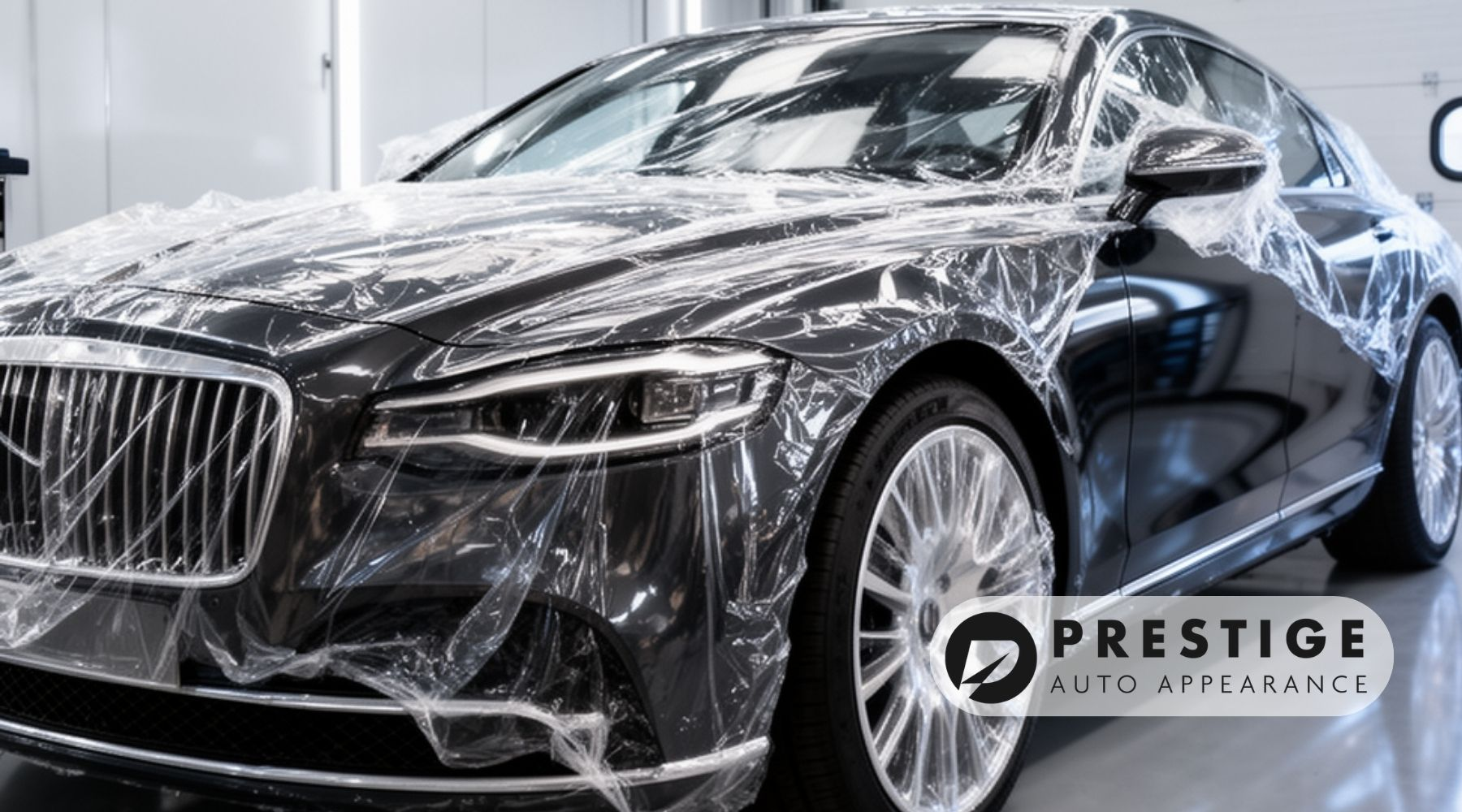
Professional ceramic coating installation requires precision. At Prestige Auto Appearance, our process includes:
- Deep cleaning and decontamination
- A complete paint decontamination process to remove embedded contaminants
- Paint correction to eliminate swirl marks and surface defects
- Careful application in a controlled environment
Skipping these steps reduces performance and longevity. That’s one reason DIY products rarely deliver the same results as professional-grade systems.
Ceramic Coating Protection in Pennsylvania: Built for Winter
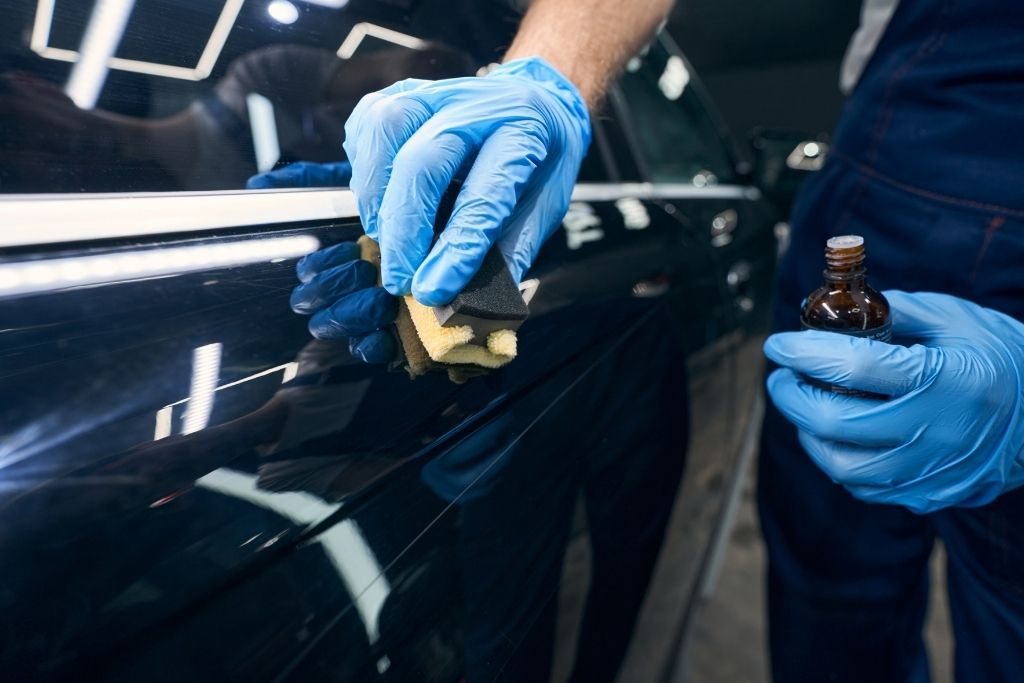
Ceramic coating protection in Pennsylvania is especially valuable because our winters are chemically aggressive. Salt and brine cling to surfaces and accelerate corrosion when left untreated.
A professionally installed coating creates a hydrophobic surface that repels:
- Road salt
- Slush and snow
- Calcium chloride
- Moisture and grime
Because contaminants struggle to bond, maintenance becomes easier and safer. Weekly washes remove buildup more effectively, reducing the risk of scratching. This is one of the biggest hydrophobic car coating benefits during winter months.
If you want to understand how coatings perform long-term in our region, explore our guide on the long-term benefits of ceramic coating in Pennsylvania’s climate.
Protection Against UV & Oxidation
Pennsylvania’s seasonal humidity and year-round sun exposure increase the risk of paint oxidation. Ceramic coatings contain UV inhibitors that act like sunscreen for your vehicle.
This helps:
- Protect car from oxidation and fading
- Preserve gloss and color depth
- Strengthen long-term paint protection coating durability
- Reduce premature clear coat failure
For drivers with new vehicles, early protection is critical. Learn why in our article on why ceramic coating for new cars in Pennsylvania is a must-have.
Ceramic Coating vs Wax in Cold Weather
We’re often asked about ceramic coating vs wax in cold weather. The difference is substantial.
Wax:
- Lasts only weeks
- Breaks down under road chemicals
- Offers minimal chemical resistance
- Requires frequent reapplication
Ceramic coating:
- Lasts for years
- Resists chemical etching
- Provides superior UV protection for car paint
- Maintains hydrophobic performance in freezing temperatures
If you’re serious about car paint protection in winter, wax simply isn’t designed for Pennsylvania’s conditions.
Why Professional Ceramic Coating Installation Makes a Difference
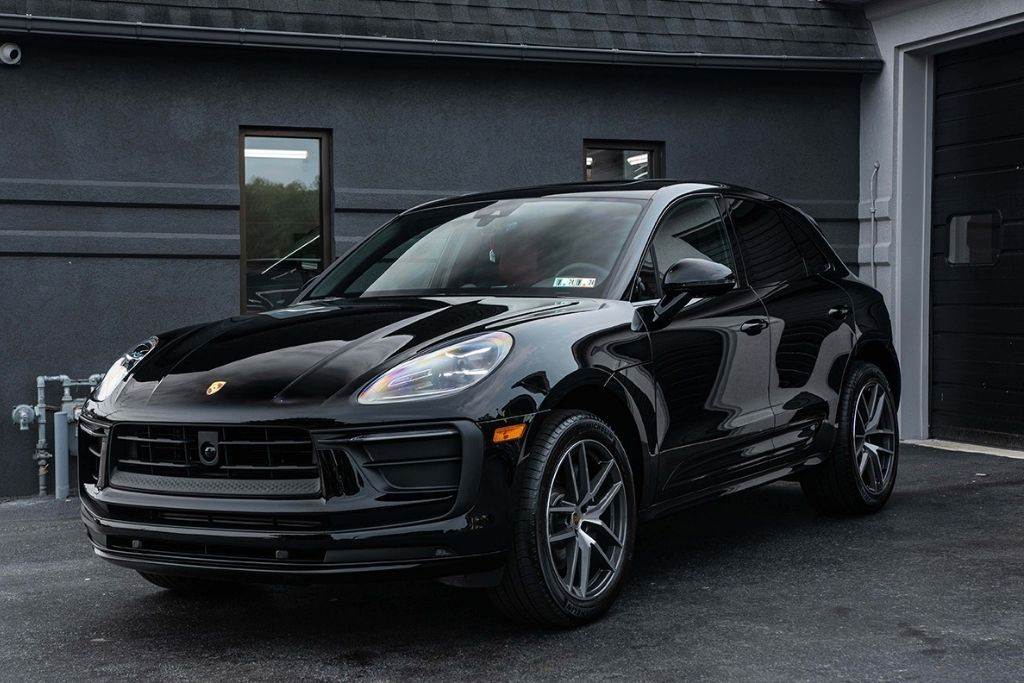
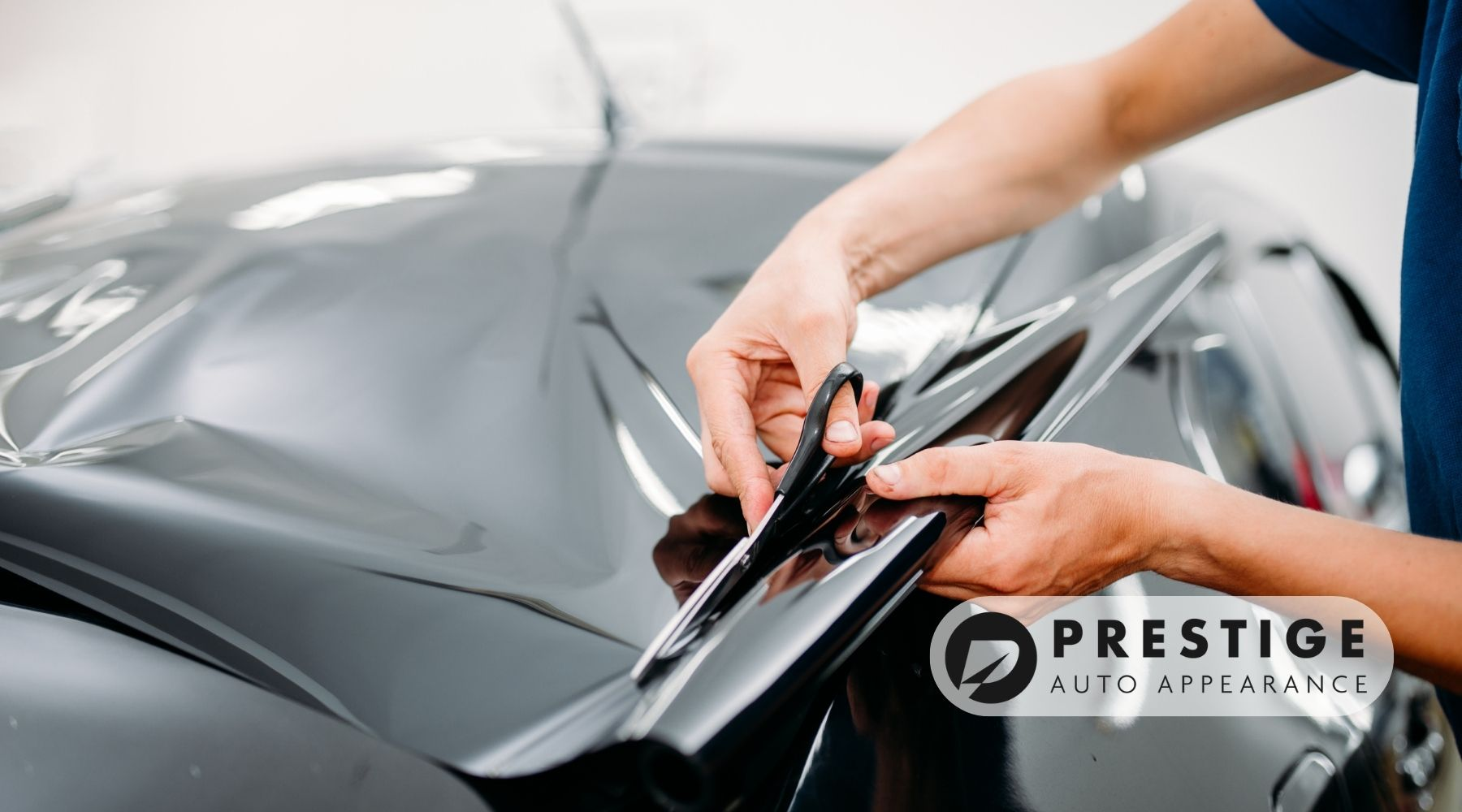
Professional ceramic coating installation ensures maximum durability and performance. At Prestige Auto Appearance, our auto detailing ceramic coating PA services focus on precision and long-term results.
We provide:
- Thorough paint preparation
- High-quality coating systems
- Controlled curing environments
- Even application for consistent gloss
- Long-lasting protection backed by expertise
You can learn more about our full ceramic coating services in Allentown and what sets our process apart.
Final Thoughts
Pennsylvania’s mix of UV exposure and winter road chemicals can quickly damage unprotected paint. Without proper defense, oxidation and corrosion slowly reduce your vehicle’s appearance and value.
That’s why we recommend ceramic coating protection in Pennsylvania for long-term durability and easier maintenance. At Prestige Auto Appearance, we provide expert protection built specifically for Allentown roads.
Visit our homepage to learn more about our services, or contact us to schedule your consultation today.
FAQs
Why is ceramic coating important for cars in Pennsylvania?
Pennsylvania vehicles face constant UV exposure and aggressive winter road chemicals. Ceramic coating provides a durable barrier against oxidation, fading, and corrosion.
Why do UV rays damage car paint even in colder climates?
UV radiation penetrates clouds and reflects off snow, breaking down the clear coat year-round, not just in summer.
Why are winter road salts and brine harmful?
Salt and calcium chloride penetrate microscopic paint imperfections, accelerating corrosion and rust formation.
Why does professional ceramic coating provide better protection than DIY products?
Professional systems involve stronger formulations, proper paint correction, and controlled installation environments, resulting in longer-lasting and more reliable protection.