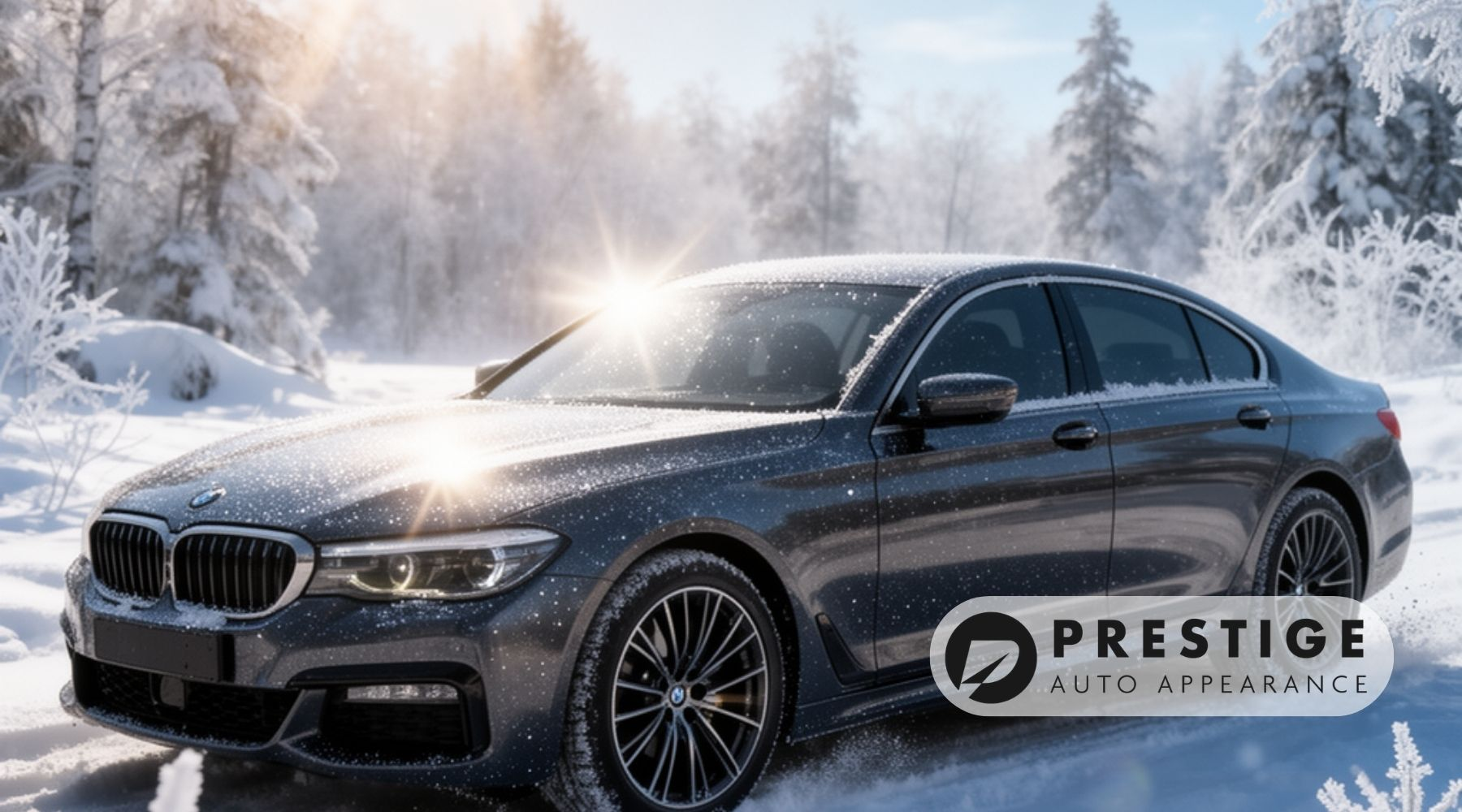

Driving on Pennsylvania highways like I-76 or I-80 means constantly facing a mix of gravel, loose asphalt, road salt, and even unexpected construction debris. These conditions can turn a quick trip into a hazard for your car’s paint. Seasonal changes, especially harsh winters, make things worse with salt and de-icing chemicals that can eat away at a vehicle’s finish.
That’s where paint protection film (PPF) steps in. This nearly invisible layer acts as a shield against chips, scratches, and fading caused by these everyday hazards. At Prestige Auto Appearance, our team specializes in PPF installation designed specifically for Pennsylvania drivers who want to keep their vehicles looking their best—without worrying about constant repairs or costly touch-ups.
Why Road Debris is a Major Issue in Pennsylvania
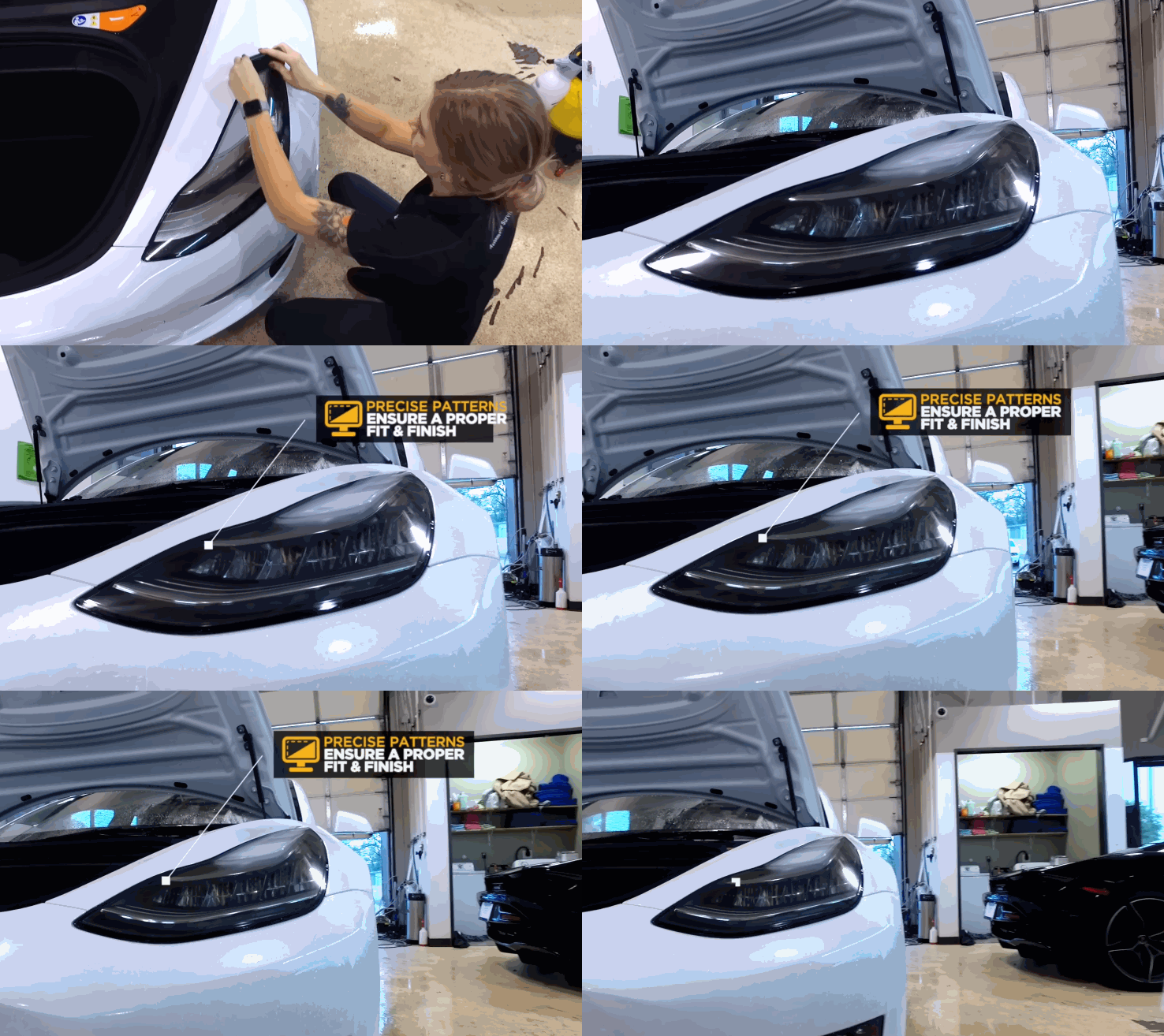
Pennsylvania highways are known for heavy traffic, frequent roadwork, and ever-changing weather conditions. Whether it’s the Pennsylvania Turnpike or stretches of I-80, drivers are constantly navigating:
- Loose gravel and small rocks kicked up by trucks.
- Salt and sand spread during icy winters.
- Pothole repairs that scatter debris across lanes.
This combination makes our roads tough on vehicles. Gravel and salt not only scratch and chip the paint but also corrode exposed metal surfaces over time. Compared to drivers in warmer states, Pennsylvanians face unique challenges due to the seasonal freeze-thaw cycles that cause road surfaces to deteriorate quickly. Protecting your car from these conditions isn’t just about aesthetics—it’s about preserving its long-term value.
What is Paint Protection Film (PPF)?
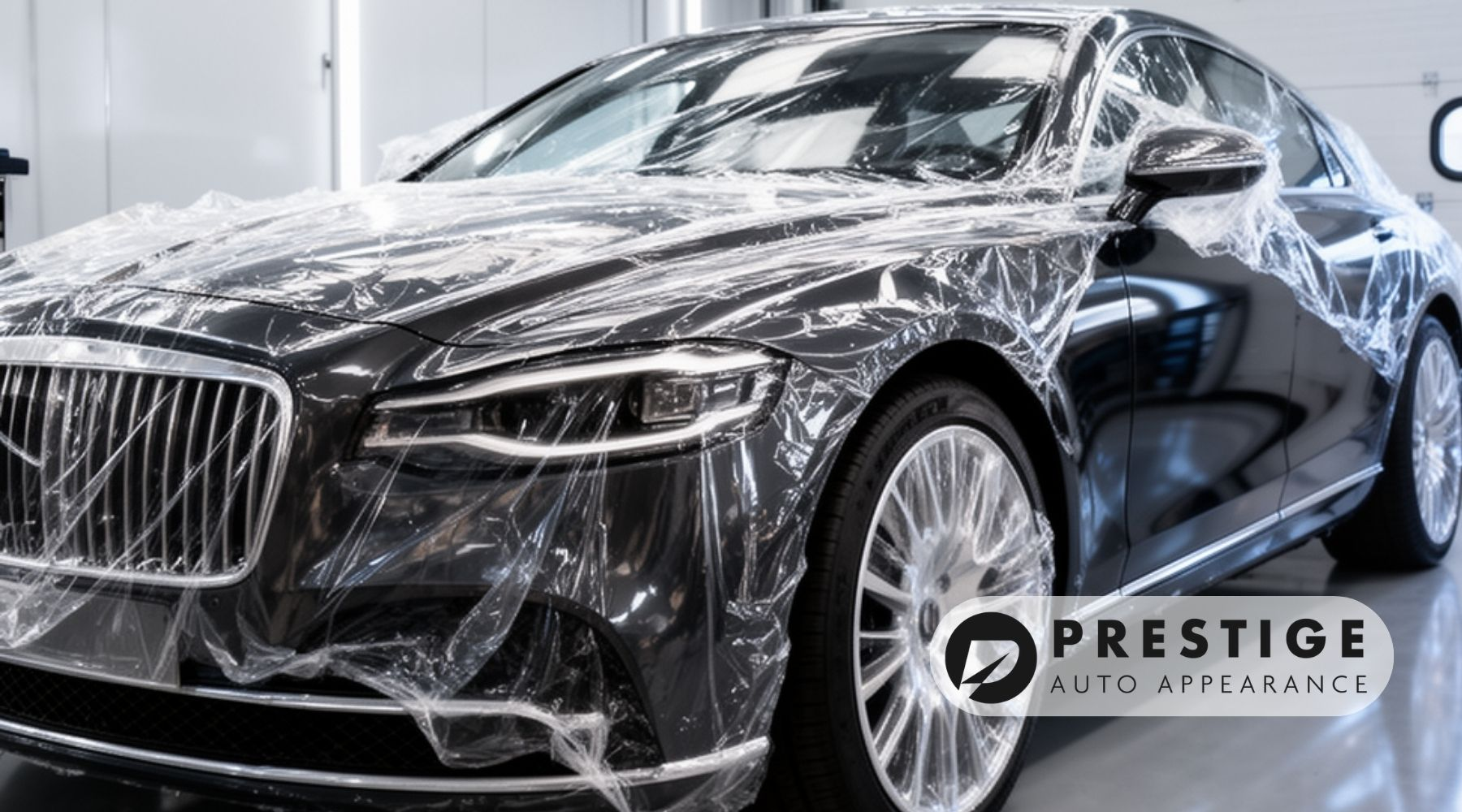
Paint protection film is a clear, ultra-durable layer made from urethane-based material. It’s engineered to absorb impacts from debris, resist discoloration, and block harmful UV rays that can fade paint over time.
Modern PPF goes beyond just being a barrier—it features self-healing technology, meaning small scratches and swirl marks disappear with heat exposure, such as from the sun or warm water. This makes it ideal for both daily drivers and high-end sports cars that need to maintain a flawless appearance.
A professional PPF installation ensures your car’s paint is safeguarded against chips, scratches, and even oxidation caused by road chemicals. For Pennsylvania drivers, it’s one of the smartest investments you can make to keep your vehicle looking newer for longer.
How Professional PPF Installation Works
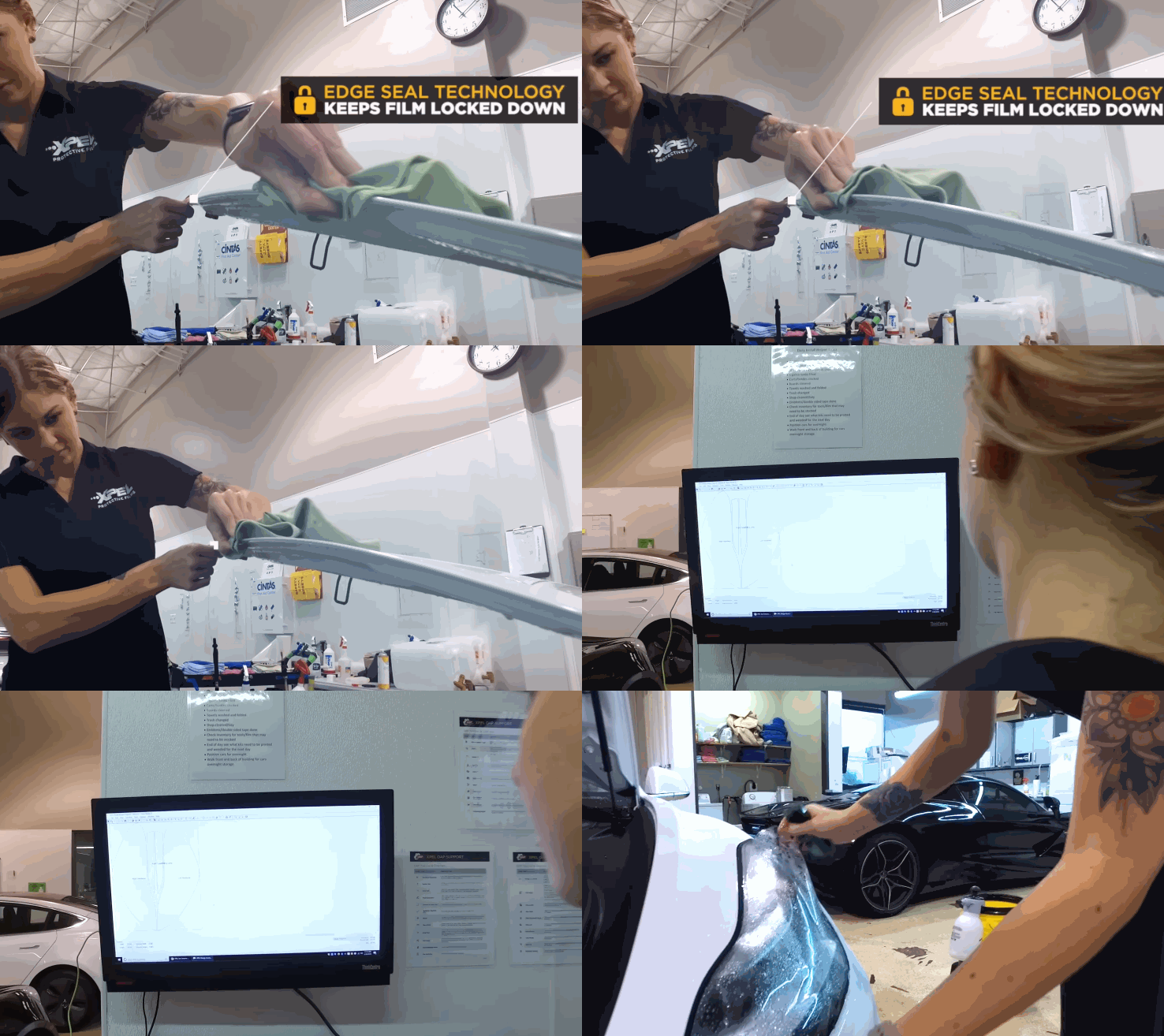
At Prestige Auto Appearance, we take PPF installation seriously because proper application is key to its effectiveness. Here’s what the process looks like:
- Surface Preparation – The car’s paint is thoroughly cleaned and decontaminated to remove any dirt, wax, or imperfections.
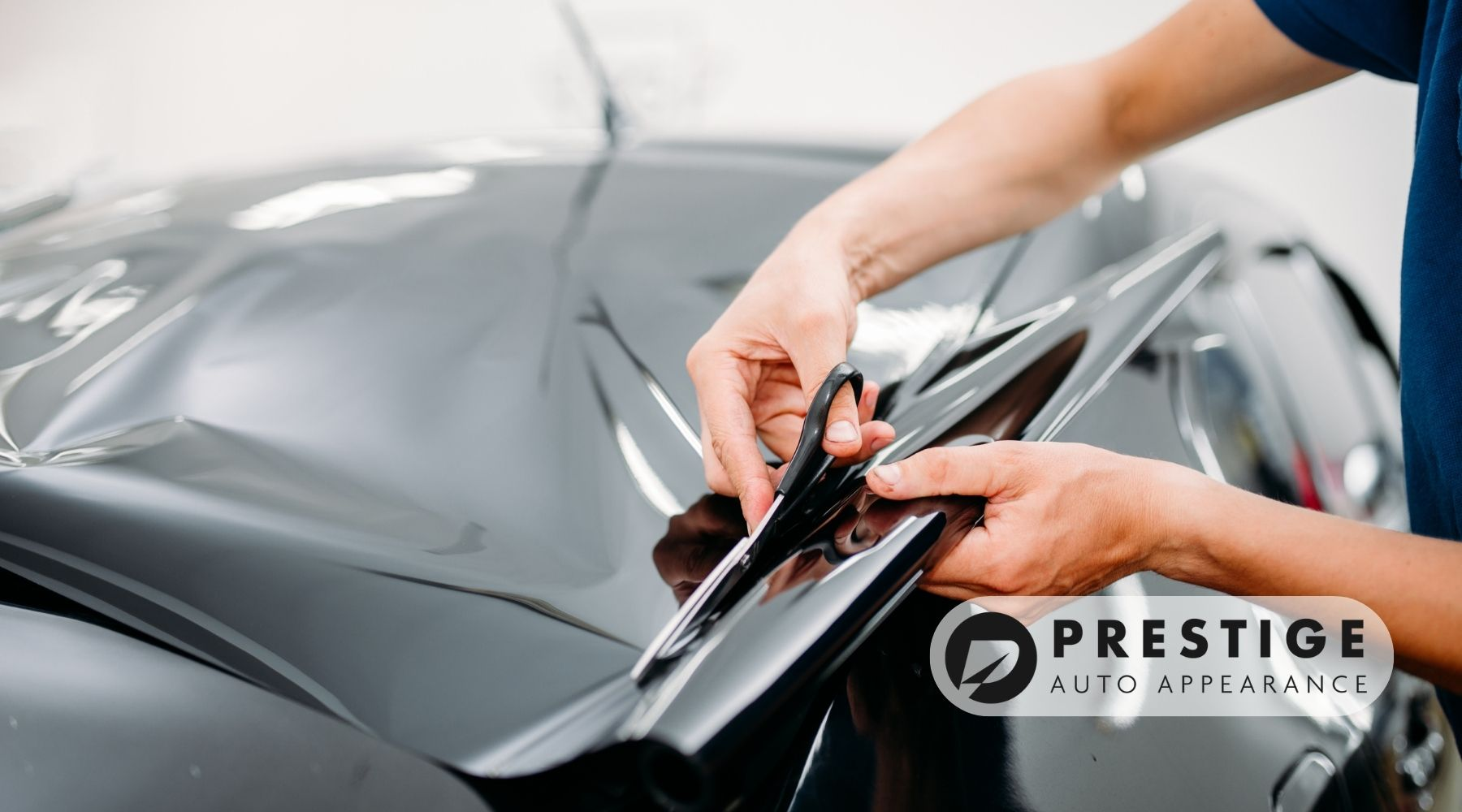
- Precision Cutting – Using advanced plotters and software, we cut the PPF to fit your specific vehicle model perfectly.
- Application – The film is applied with precision, using specialized tools to ensure no bubbles or misalignments.
Seamless Coverage – Edges are carefully wrapped and sealed for a flawless, factory-like finish.
Why not DIY?
DIY kits often leave visible seams, bubbles, or incomplete coverage, reducing the film’s durability. Professional installation guarantees long-term protection and peace of mind, especially for Pennsylvania drivers facing rough road conditions.
Key Benefits of PPF for Pennsylvania Drivers
When you drive across Pennsylvania highways, your car is constantly exposed to harsh elements that can ruin its paint over time. Here’s why paint protection film is such a game-changer for local drivers:
Chip and Scratch Resistance
Loose gravel, salt, and pieces of asphalt on busy roads like I-76 or I-80 can easily cause chips or scratches. PPF absorbs these impacts, keeping your paint intact.
Weather and Road Salt Defense
Pennsylvania winters bring heavy road treatments with salt and de-icing chemicals. PPF creates a barrier that prevents these corrosive substances from damaging your paint.
Long-Term Value
By protecting your paint from chips, fading, and oxidation, PPF helps preserve your vehicle’s resale value. It’s far cheaper than constant paint repairs or touch-ups.
Ease of Cleaning
PPF has a smooth, hydrophobic surface that makes dirt and grime slide right off. You’ll spend less time detailing and waxing your car.
Invisible Shield
Modern PPF enhances the natural gloss of your vehicle without changing its original color. It’s virtually invisible, maintaining the showroom look.
Where PPF Provides the Most Protection
Not every part of your car faces the same level of impact on Pennsylvania highways. Certain areas take the brunt of road debris, salt, and loose gravel, which is why strategic paint protection film coverage matters:
- Front Bumper – Constantly exposed to flying rocks and insects at highway speeds.
- Hood – A magnet for chips and scratches, especially during winter road treatments.
- Rocker Panels – Vulnerable to road salt, slush, and debris kicked up by tires.
- Headlights – Prone to pitting and dullness from gravel and UV rays.
- Side Mirrors – Small but frequently hit by debris, especially when passing trucks.
Targeting these high-impact zones with PPF installation ensures you get maximum protection where it counts the most, saving you from costly paint repairs and premature wear.
Other Paint Protection Options
While paint protection film provides unmatched impact resistance, combining it with ceramic coating takes your protection to the next level. Ceramic coatings add a chemical shield that boosts gloss, repels water, and makes cleaning effortless. When applied over PPF, it creates a dual-layer defense—perfect for Pennsylvania’s unpredictable weather and debris-filled roads.
Conclusion
Driving across Pennsylvania means your car faces tough conditions—whether it’s gravel on I-80, construction debris on the Turnpike, or the corrosive road salt of winter. Protecting your vehicle’s paint is more than just keeping it looking good; it’s about preserving its value and avoiding unnecessary repairs.
Paint protection film offers a reliable solution that shields your vehicle against the harsh elements our highways throw at it. With expert PPF installation from Prestige Auto Appearance, you can drive confidently knowing your car is protected by professionals who understand Pennsylvania’s roads better than anyone else.
Ready to protect your investment? Contact Prestige Auto Appearance today for expert advice and a free consultation on PPF options tailored to your vehicle.