
Ceramic window tint is becoming a go-to upgrade for car owners all across Pennsylvania—from the busy streets of Philly to the winding roads of the Pocono Mountains. But despite its growing popularity, there’s still a lot of confusion around what ceramic tint actually does—and doesn’t do. At Prestige Auto Appearance, we install ceramic window tint on vehicles every day, and we use it on our own cars year-round. So, we’re here to clear up the most common myths that keep Pennsylvania drivers from making one of the smartest decisions for their vehicles.
Myth #1: All Window Tints Are Basically the Same
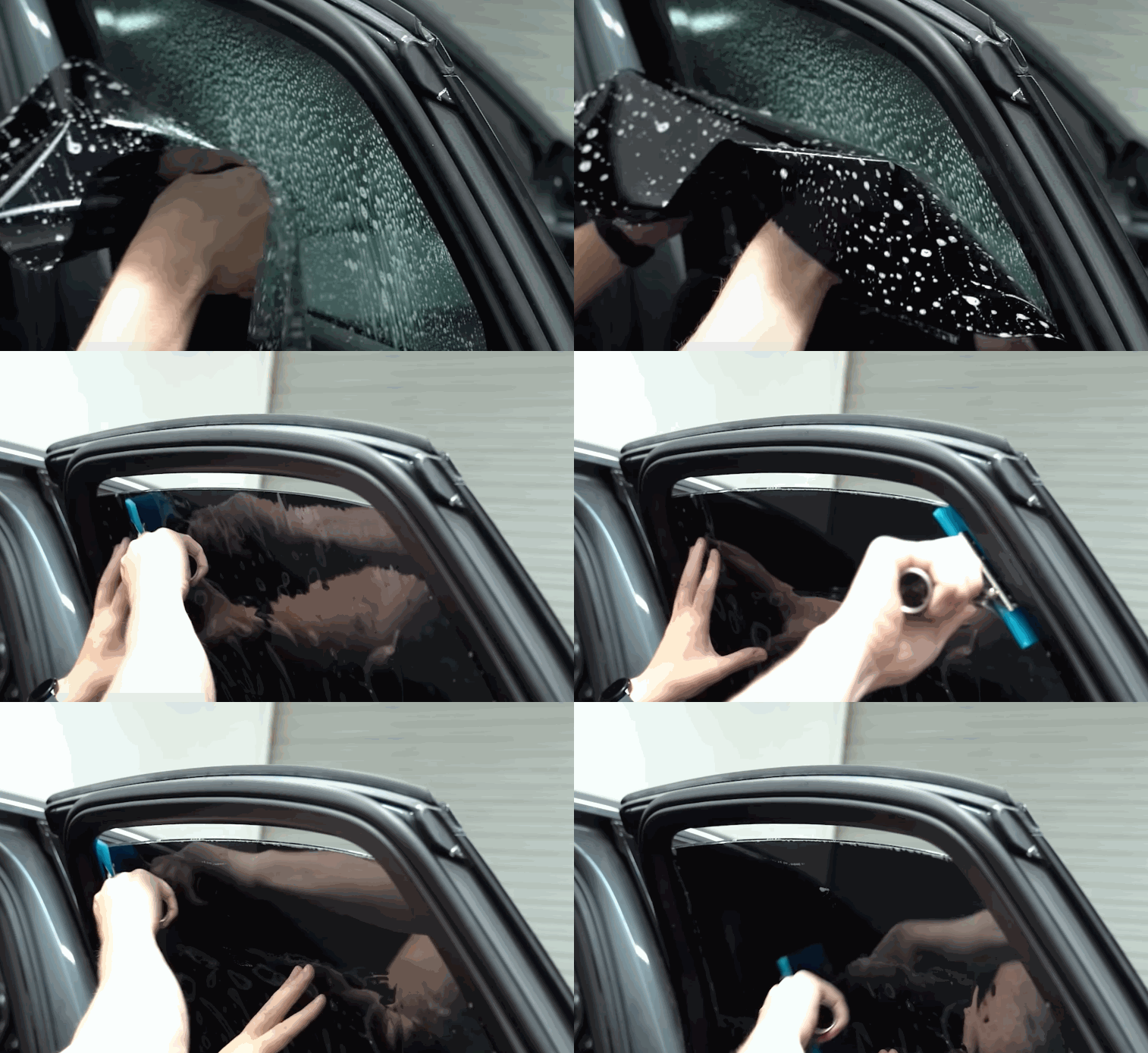
Not even close. This is one of the most common misconceptions we hear. There are several types of window tint on the market—dyed, metallic, and ceramic—and they all perform differently.
- Dyed tint is the cheapest but fades quickly and offers minimal heat rejection.
- Metallic tint does a better job blocking heat but can interfere with GPS, radio, and phone signals.
- Ceramic window tint, on the other hand, uses nanotechnology to reject heat and block UV rays without interfering with your electronics.
In a state like Pennsylvania, where you’re battling both scorching summer heat and frigid winters, ceramic tint’s performance and durability make a noticeable difference. Whether you’re parked under the sun in Reading or driving through snow in Erie, this tint holds up.
Myth #2: Ceramic Tint Makes Your Car Too Dark
We get it—some drivers worry that window tint will make their vehicle feel like a cave. But the truth is, ceramic window tint doesn’t rely on darkness to be effective.
With ceramic tint, you can choose from a wide range of VLT (Visible Light Transmission) levels, including much lighter shades that still offer powerful UV protection and heat rejection. You don’t have to go “limo dark” to get real benefits.
And here in Pennsylvania, there are legal limits to how dark your windows can be—35% VLT on front side windows, for example. At Prestige Auto Appearance, we’ll help you choose the right ceramic tint that meets state laws while still giving you maximum comfort and performance.
Myth #3: Window Tint Is Only Useful in the Summer
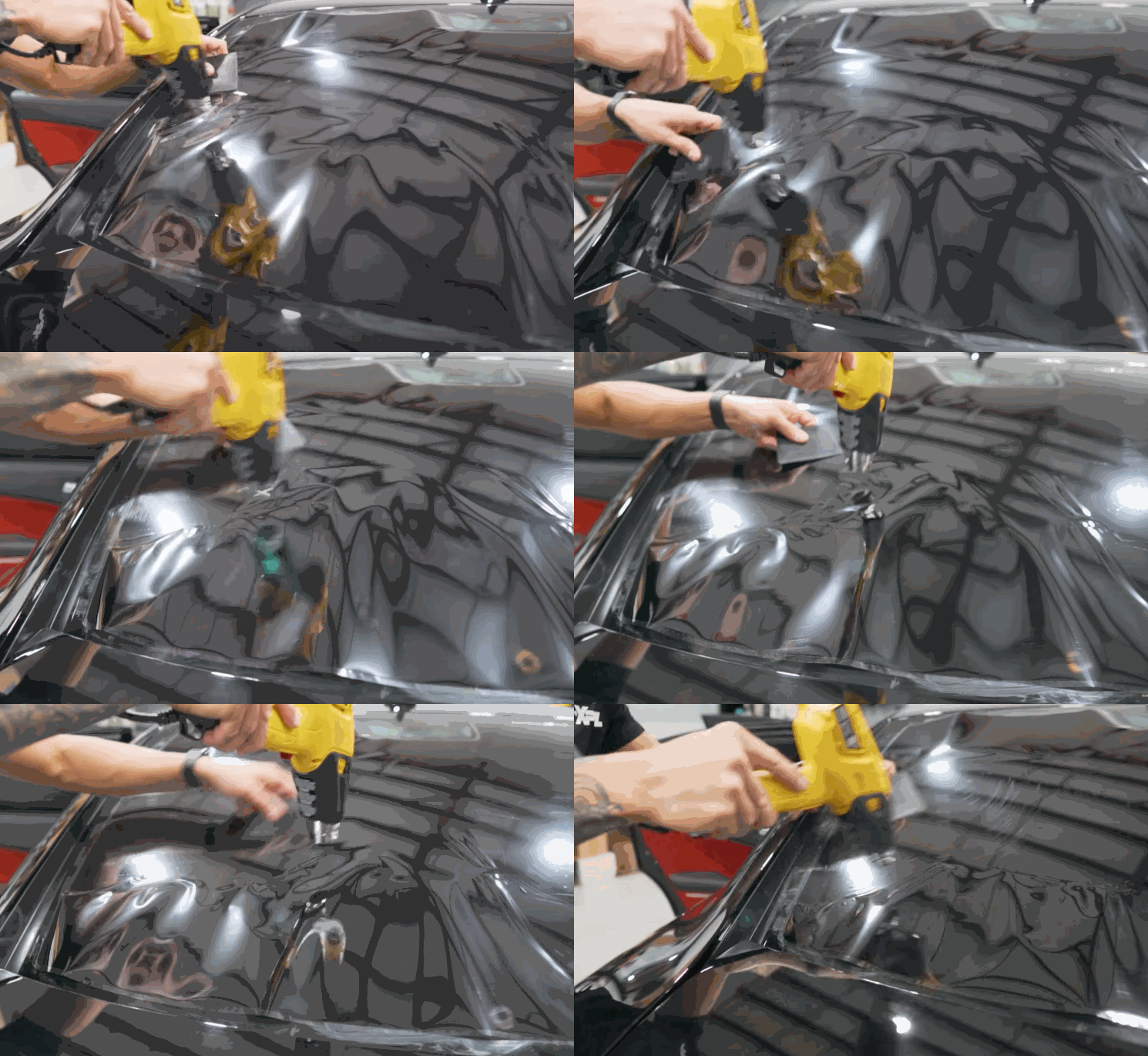
It’s true that ceramic window tint helps keep your car cooler in the summer—but it’s just as valuable in the cold, cloudy months that Pennsylvania is known for.
- In Pittsburgh, those long stretches of overcast skies mean more glare on wet roads.
- In Harrisburg, winter glare can make driving downright uncomfortable.
- In Philadelphia, daily traffic and street parking expose your interior to sun damage even when it’s cold out.
Ceramic tint helps insulate your vehicle in winter, reducing the need for constant defrosting and making the interior more comfortable. And yes, it still blocks harmful UV rays even when the sun’s not blazing.
Myth #4: Tinting Will Interfere with My Phone, GPS, or Radio
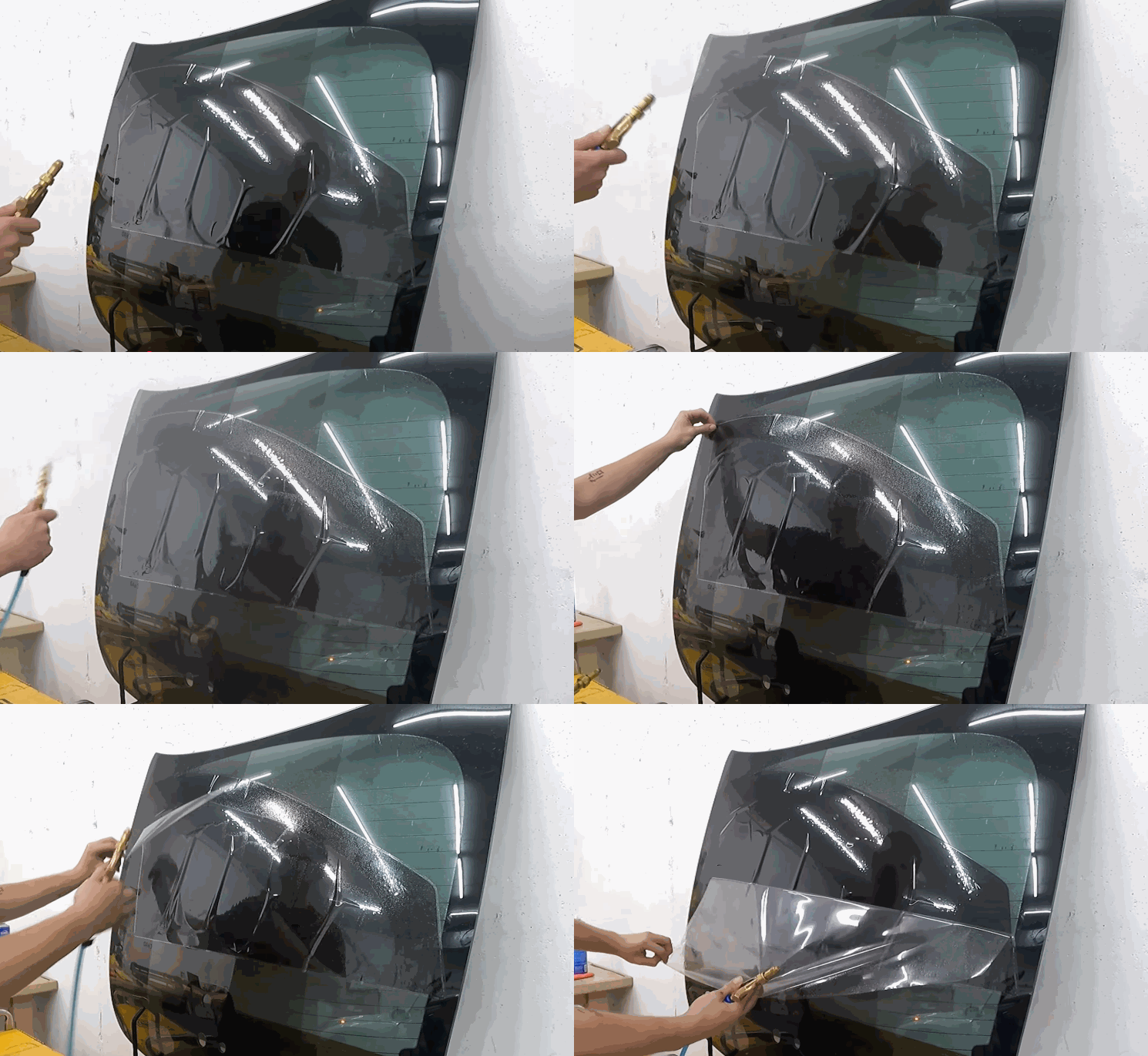
This myth comes from confusion with metallic tints, which can reflect signals and cause issues with modern tech in your vehicle. But ceramic tint is completely metal-free.
That means no interference with your:
- GPS navigation
- Cell signal
- Bluetooth
- Satellite radio
Whether you’re driving through rural Pennsylvania or navigating city streets with real-time directions, ceramic window tint won’t get in the way of your connection.
Myth #5: Window Tinting is Just About Looks
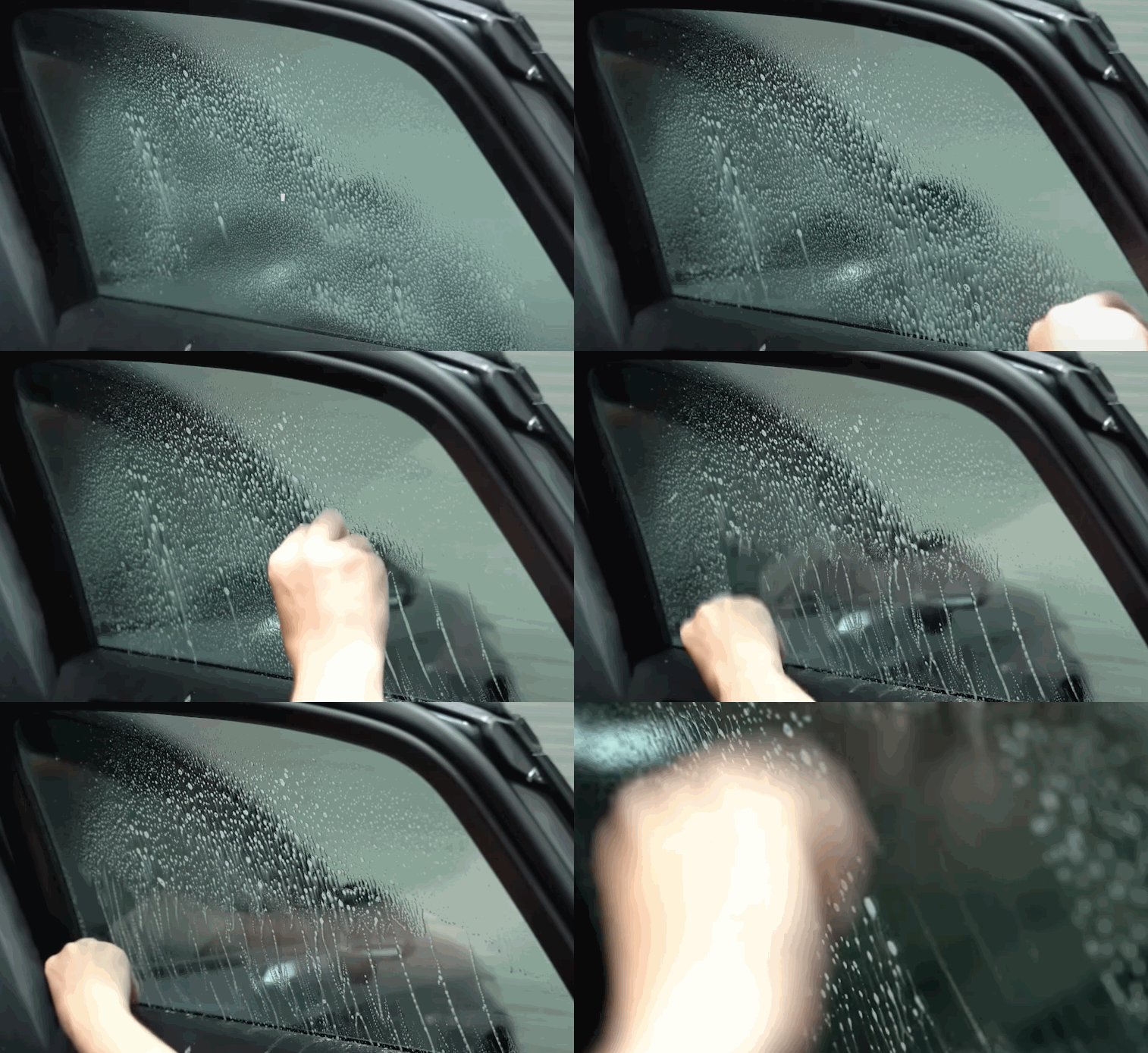
Sure, tinted windows look sleek—but there’s a lot more going on beneath the surface. Ceramic window tint offers:
- UV protection to reduce skin exposure
- Heat control to lower interior temperatures
- Glare reduction to improve driving visibility
- Interior preservation to protect leather, dashboards, and electronics
- Added privacy without sacrificing visibility from the inside
If you spend hours a day on Route 22, I-76, or I-95, this isn’t just an upgrade—it’s a layer of protection that can make your car last longer and feel better to drive.
Myth #6: It’s Not Worth the Cost
We hear this often—but think about it this way: Would you rather pay a little more now for a product that lasts, or keep replacing faded film every couple of years?
Ceramic window tint may have a higher upfront cost, but:
- It lasts 5–10 years with no fading or peeling.
- It reduces the need for A/C in the summer, saving you gas.
- It keeps your interior from cracking and fading, protecting your car’s resale value.
In a place with seasonal extremes like Pennsylvania, the long-term return makes ceramic tint one of the smartest investments you can make in your vehicle.
Myth #7: You Can Just DIY It or Go Anywhere
Let’s be honest—tinting isn’t a one-size-fits-all process. We’ve seen our fair share of DIY jobs gone wrong: bubbles, peeling, improper cuts, and damage to rear defrost lines.
And in Pennsylvania, where vehicle inspections are mandatory, poorly installed tint could even cause you to fail your annual inspection.
At Prestige Auto Appearance, we know the state regulations, the local climate, and the common vehicles we work on every day. Whether it’s a Subaru from State College or a Ford F-150 from Lancaster, we know how to get the job done right the first time.
Final Thoughts: Don’t Let Myths Drive Your Decisions
There are a lot of myths floating around about ceramic window tint—but now that you know the facts, you can make a smarter, safer choice for your car. Ceramic tint isn’t just about style—it’s about year-round performance, comfort, and protection that fits Pennsylvania’s unpredictable weather.
If you’re curious about whether ceramic window tint is right for your vehicle, reach out to the team at Prestige Auto Appearance. We’ll walk you through your options, make sure everything is street-legal, and offer a free consultation—no pressure, just expert advice from people who tint cars every day in the same conditions you drive in.