
If you drive in Pennsylvania, your vehicle deals with a little bit of everything: hot summer sun, humid afternoons, freezing mornings, ice, road salt, and winter grime. At Prestige Auto Appearance, we see how these seasonal changes affect automotive window film every day, which is why many drivers ask us about Car window tint lifespan in Pennsylvania before choosing a film.
The simple answer is that quality car window tint can last 5 to 10+ years in Pennsylvania, while premium ceramic films can last 10 to 20+ years with proper installation and care. Still, Car window tint lifespan in Pennsylvania depends on the film type, installation quality, parking habits, and maintenance.
As an Allentown-based auto appearance studio serving the Lehigh Valley for more than 20 years, we help drivers choose tint that looks great, feels comfortable, and holds up through real Pennsylvania driving.
Car Window Tint Lifespan in Pennsylvania: What to Expect
Car window tint lifespan in Pennsylvania varies because not all films are made the same. A basic dyed tint will not age like a premium ceramic film. A professionally installed tint will also last longer than one applied without proper preparation, clean glass, or enough curing time.
Most Pennsylvania drivers can expect these general ranges:
- Dyed tint: 3 to 5 years
- Metalized tint: 5 to 10 years
- Carbon tint: 7 to 10 years
- Ceramic tint: 10 to 20+ years
Tint lifespan is not just about whether the film is still attached to the glass. True tint film longevity means the film still looks clean, holds its color, maintains visibility, resists bubbling, and continues offering UV ray protection, heat rejection, and interior fade protection.
How Film Type Affects Car Window Tint Lifespan in Pennsylvania
Choosing the right film is one of the biggest factors in Car window tint lifespan in Pennsylvania. Each film type has different strengths, and the best choice depends on how long you plan to keep your vehicle, where you park, and how much protection you want.
Dyed Window Tint Lifespan
Dyed window tint lifespan is usually around 3 to 5 years. It is often the most affordable option, and it can improve privacy, reduce glare, and give your vehicle a cleaner look.
The tradeoff is durability. Dyed film is more likely to fade, discolor, bubble, or turn purple over time. Pennsylvania summers can speed up window tint fading, especially if your vehicle sits outside daily. If Car window tint lifespan in Pennsylvania is your top priority, dyed film may not be the strongest option.
Metalized Window Tint Lifespan
Metalized tint generally lasts 5 to 10 years. It is more durable than dyed film and can offer solid heat rejection. However, because it contains metallic particles, it may interfere with cell signals, GPS, radio reception, Bluetooth, or toll transponders.
For some drivers, that tradeoff is not worth it. Many modern vehicle owners prefer carbon or ceramic films because they provide strong performance without potential electronic interference.
Carbon Window Tint Lifespan
Carbon window tint lifespan is usually 7 to 10 years. It is a strong option for Pennsylvania drivers who want better durability than dyed tint without jumping all the way to ceramic.
Carbon film is color-stable, resists fading, and has a clean matte finish. It also helps with solar heat control and glare reduction. For many daily drivers, carbon tint provides a practical balance of comfort, appearance, and Car window tint lifespan in Pennsylvania.
Ceramic Window Tint Lifespan
Ceramic window tint lifespan is usually the longest of the common film types. In many cases, high-quality ceramic tint can last 10 to 20+ years with professional installation and proper care.
Ceramic film uses advanced non-metallic technology that resists fading, supports infrared heat rejection, and provides excellent UV ray protection. It also does not interfere with electronics. For drivers who want long-term comfort and protection, ceramic tint is usually the premium choice.
We often recommend ceramic tint for Pennsylvania drivers who park outside, commute daily, drive newer vehicles, or want stronger protection for their interior. It performs well in summer heat and helps reduce winter glare from low-angle sun and snow reflection.
Why Pennsylvania Weather Affects Tint Durability
Car window tint lifespan in Pennsylvania is closely tied to our climate. The film on your vehicle has to handle sun, humidity, cold temperatures, ice, moisture, and road grime. Over time, these conditions test the quality of both the film and the installation.
Summer Heat and UV Exposure
Hot summer days can be tough on low-quality tint. Constant sun exposure can cause tint discoloration, window tint fading, and adhesive stress. If the film is not designed to resist heat and UV rays, it may lose appearance and performance faster.
Quality automotive window film helps protect your cabin from harsh sunlight. It can reduce glare, improve comfort, and help prevent upholstery, dashboards, leather, and trim from fading. This matters for vehicles that sit in open parking lots during workdays or long summer afternoons.
Winter Cold, Ice, and Road Salt
Pennsylvania winters bring another set of challenges. Cold temperatures can slow the curing process after installation. That is why we remind drivers not to roll their windows down too soon after tinting.
Ice and moisture can collect around window edges and seals. If a film was poorly installed or not fully cured, that moisture can contribute to window tint peeling or adhesive failure. Road salt and winter grime may not directly attack the inside tint surface, but buildup around window seals can increase wear around the edges if ignored.
Humidity and Temperature Swings
Pennsylvania weather often shifts quickly. Heat expands materials, cold contracts them, and humidity adds moisture to the mix. Premium films and professional installation are designed to handle these changes better than cheaper materials or rushed applications.
This is one reason window tint durability Pennsylvania drivers experience can vary so much. Two cars may have a tint installed in the same year, but the one with better film, better installation, and better care will usually age better.
Why Some Window Tints Fade, Bubble, or Peel Faster
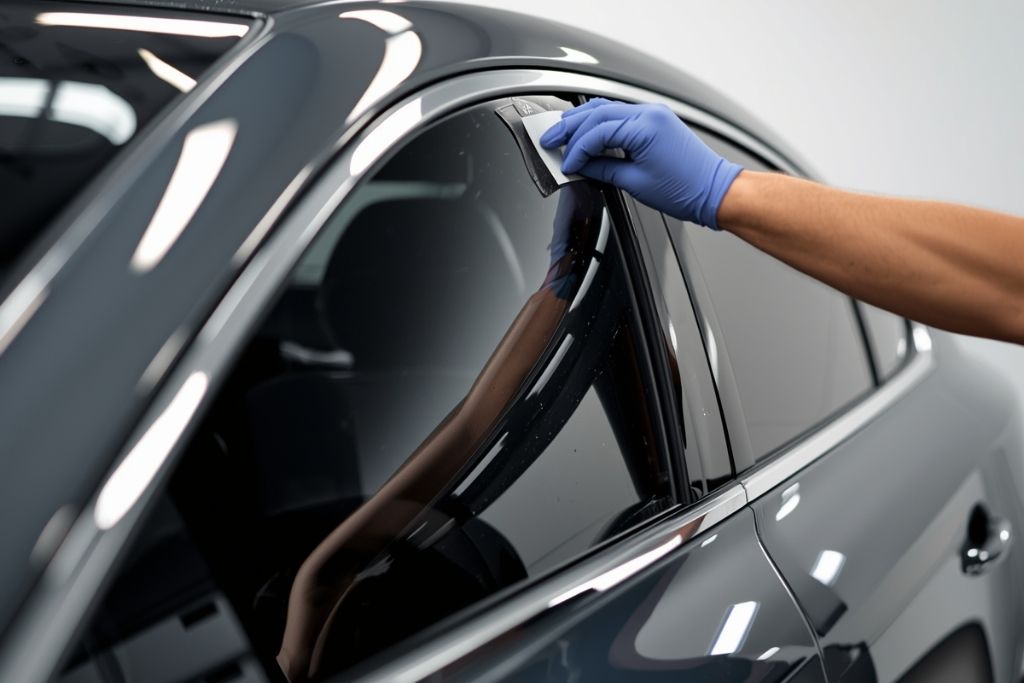
When customers visit us with old or failing tint, we often see the same problems: bubbling, peeling edges, purple discoloration, cloudy film, scratches, or film cracking. These issues shorten Car window tint lifespan in Pennsylvania because they affect both appearance and performance.
Common causes include low-quality film, poor adhesive, improper glass preparation, trapped dust, rolling windows down before curing, ammonia-based cleaners, abrasive towels, sharp cleaning tools, and constant direct sun exposure.
Window tint bubbling often starts when moisture, air, or contamination is trapped beneath the film. Window tint peeling usually begins at the edges, especially when the film was cut poorly or disturbed before curing. Tint discoloration and fading are more common with budget dyed films.
The best way to avoid these problems is to choose a high-quality film and a professional installer from the beginning.
Why Professional Installation Matters
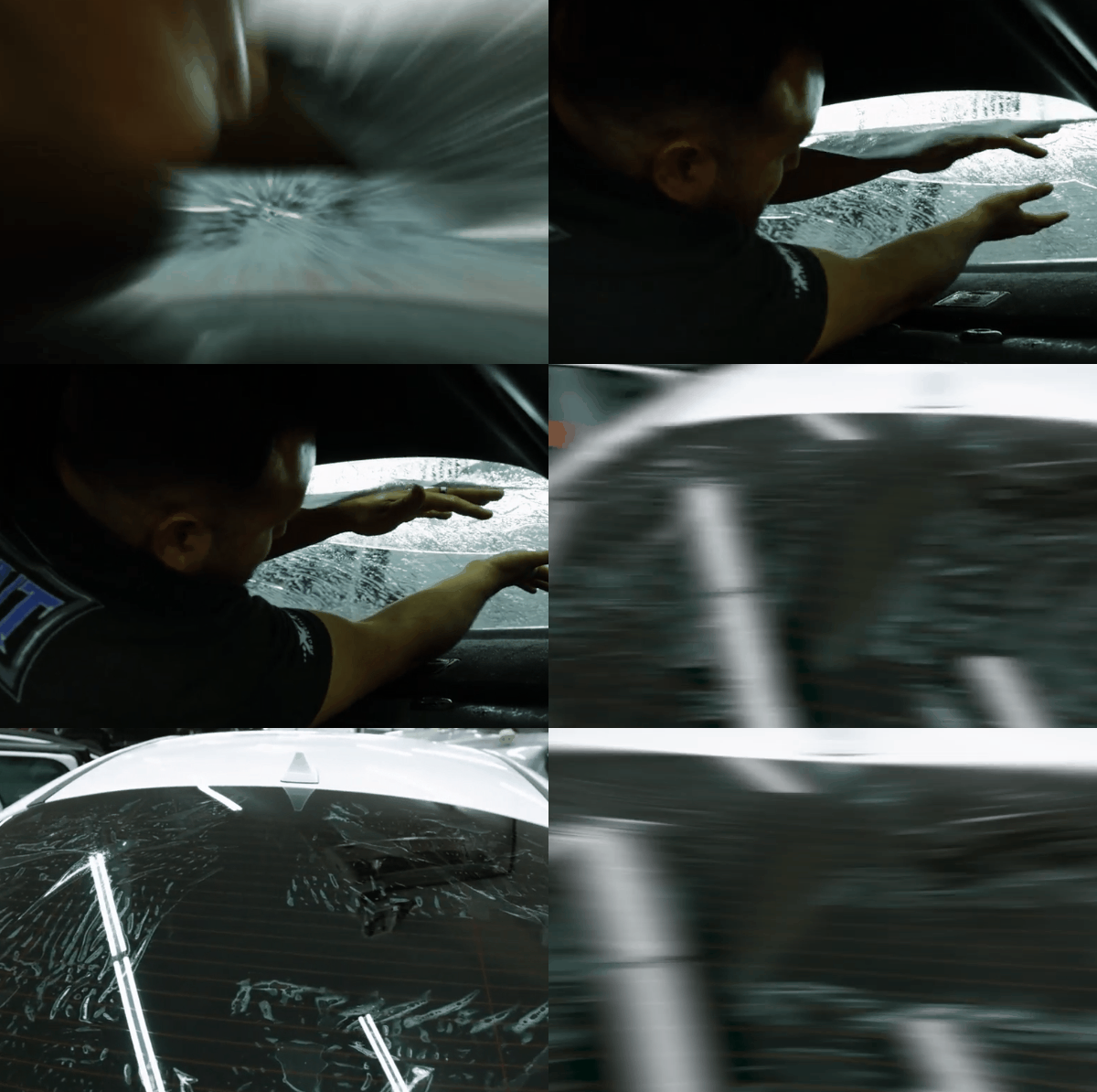
Professional installation plays a major role in Car window tint lifespan in Pennsylvania. Even the best film can fail early if the glass is not cleaned properly, the film is not measured accurately, or the installer rushes the process.
At Prestige Auto Appearance, we focus on clean preparation, precise film cutting, smooth application, and proper curing guidance. Our goal is not just to make tint look good on day one. We want it to look clean, perform well, and last for years.
A professional installer can also help you choose the right film for your driving habits, budget, and vehicle type. If you are comparing options, our guide on choosing the right car window tint installer in Allentown can help you understand what to look for.
How to Extend Car Window Tint Lifespan in Pennsylvania
A quality installation gives your tint the best start, but maintenance matters too. If you want the longest possible Car window tint lifespan in Pennsylvania, a few simple habits can make a big difference.
Wait Before Rolling Down Your Windows
After installation, give the film time to cure. We generally recommend waiting 3 to 5 days before rolling your windows down. In colder weather, curing may take longer. Rolling windows down too early can pull at the film edges and cause peeling.
Use Ammonia-Free Cleaners
Avoid ammonia-based glass cleaners. They can damage the film, weaken the adhesive, and contribute to discoloration over time. Use an ammonia-free cleaner and a soft microfiber towel instead.
Be Gentle Around the Edges
The edges of the film are the most vulnerable area. Avoid scraping, picking, or pressing too hard near the window seals. This is especially important in winter when moisture, grime, and salt residue can collect around the glass.
Park in Shade When You Can
Parking in a garage, carport, or shaded area reduces daily UV exposure and heat buildup. This can slow window tint fading and help preserve the film’s appearance.
Choose a Better Film From the Start
If long-term durability matters, carbon or ceramic tint is usually a better investment than basic dyed film. The upfront cost may be higher, but the longer lifespan, better heat rejection, and improved comfort often make it worthwhile.
When Should You Replace Old Window Tint?
Old tint usually starts with small signs that become more noticeable over time. You may need replacement if you notice large bubbles, peeling corners, purple or brown discoloration, cloudy film, cracking, flaking, reduced visibility, or more heat and glare inside the cabin.
Once these issues spread, repair is usually not the best option. Replacement gives you a cleaner look and better performance, especially if you upgrade to a higher-quality film.
If you are wondering whether new tint is worth it, our article on the benefits of car window tinting for Allentown drivers explains how tint can improve comfort, privacy, appearance, and interior protection.
Is Ceramic Tint Worth It for Pennsylvania Drivers?
For many drivers, ceramic tint is worth considering. It offers the best long-term performance, especially in a climate like Pennsylvania’s. Ceramic tint resists fading, blocks heat more effectively, supports interior fade protection, and holds its appearance longer than basic dyed film.
We often recommend ceramic tint for people who plan to keep their vehicle for years, drive frequently, or want a cooler, more comfortable cabin. It is also a great option for vehicles with leather interiors, dark dashboards, or large glass areas.
Ceramic film is not just about summer comfort. It can also help reduce glare during winter driving, especially when sunlight reflects off snow, ice, or wet pavement. For more seasonal insight, read our guide on ceramic window tint for Pennsylvania winters.
Why Pennsylvania Drivers Trust Prestige Auto Appearance
At Prestige Auto Appearance, we have spent more than 20 years helping drivers throughout Allentown and the Lehigh Valley protect and enhance their vehicles. We are an award-winning auto detailing studio located just minutes from Dorney Park, and we specialize in window tinting, ceramic coating, paint protection film, and full detailing.
When it comes to professional window tinting in Allentown, PA, our focus is simple: recommend the right film, install it carefully, and help our customers get long-lasting value from their investment.
We know Pennsylvania weather. We know how local driving conditions affect vehicles. And we know the right window tint should do more than look good. It should improve comfort, protect your interior, and hold up through daily use.
If you are ready to explore your options, you can request a window tint quote from our team.
Final Thoughts
Car window tint lifespan in Pennsylvania depends on the film you choose, how it is installed, how your vehicle is used, and how well the tint is maintained. Dyed tint can be a budget-friendly option, but carbon and ceramic films offer better long-term value for many Pennsylvania drivers.
If you want a tint that looks clean, performs well, and lasts through Pennsylvania’s changing seasons, we recommend investing in quality film and expert installation. At Prestige Auto Appearance, we are here to help you choose the right tint for your vehicle, your comfort, and your long-term protection goals.
Ready to get started? Contact us today to request a window tint quote or ask our team which film is best for your vehicle.